How Long Does It Take for Mold to Grow After an Attic Leak?
Mold can begin growing quickly when moisture remains on porous materials, with warm, humid conditions accelerating the process. It needs three things: moisture, a food source such as wood or paper-faced drywall, and temperatures in the range most attics already sit in. A Texas attic in summer is warm enough that moisture is usually the only missing ingredient, and a leak supplies it.
That 24 to 48 hour figure describes when growth can start, not when you will see it. Visible colonies often take a week or more to appear, and growth inside wall cavities or under insulation can go unnoticed far longer. The practical takeaway is simple: the clock starts the moment materials get wet, so fast drying matters more than anything else.
What Three Conditions Allow Mold to Start Growing?
First, sustained moisture. Wood and drywall need to stay damp, not just get briefly wet and dry out. A one-time splash that dries in hours is far less risky than a slow leak that keeps materials damp for days. Second, an organic food source. Roof decking, rafters, and the paper facing on drywall and insulation are all food for mold.
Third, suitable temperature. Most attics easily stay within the range mold prefers for much of the year, and Texas attics certainly do. Poor ventilation adds a fourth factor by trapping humid air, but moisture, food, and warmth are the core three. Remove any one of them, usually the moisture, and growth cannot get established.
Which Attic Materials Grow Mold the Fastest?
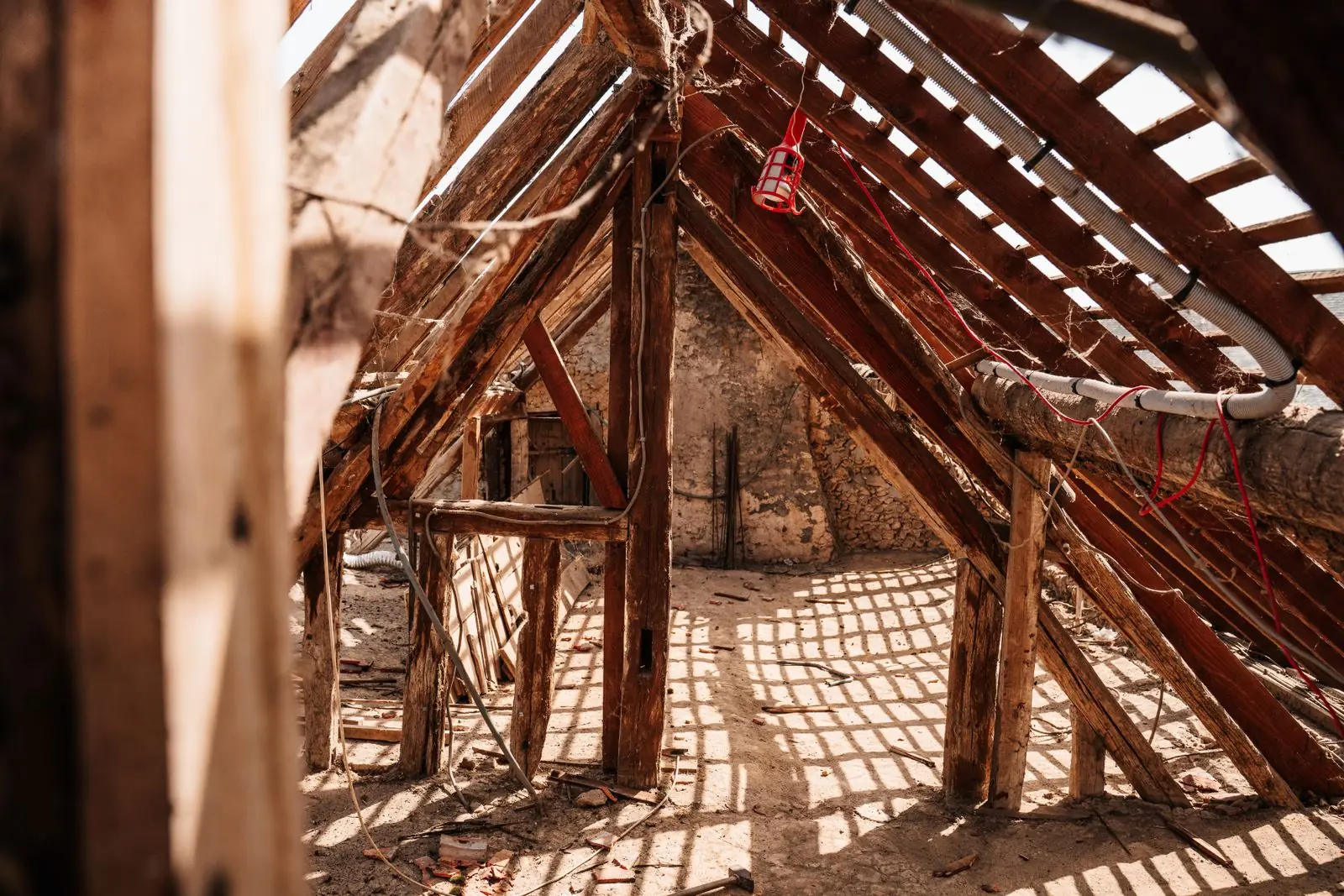
Paper-faced materials are the fastest: the paper backing on drywall and insulation facing, plus cardboard boxes stored in the attic, can show growth quickly when damp. Bare wood is next; it takes longer, but prolonged dampness will get it there. Dust and dirt on any surface also feed growth, which is why even metal ducts can develop mold on their dusty surfaces.
Fiberglass insulation itself is not a great food source, but the dust caught in it is, and wet fiberglass holds moisture against the wood around it. This is why soaked insulation should be removed promptly: it is less about the insulation growing mold and more about what it keeps wet. For professional help with growth on framing or decking, see attic mold after water damage services in Houston.
How Can You Tell If Mold Has Already Started?
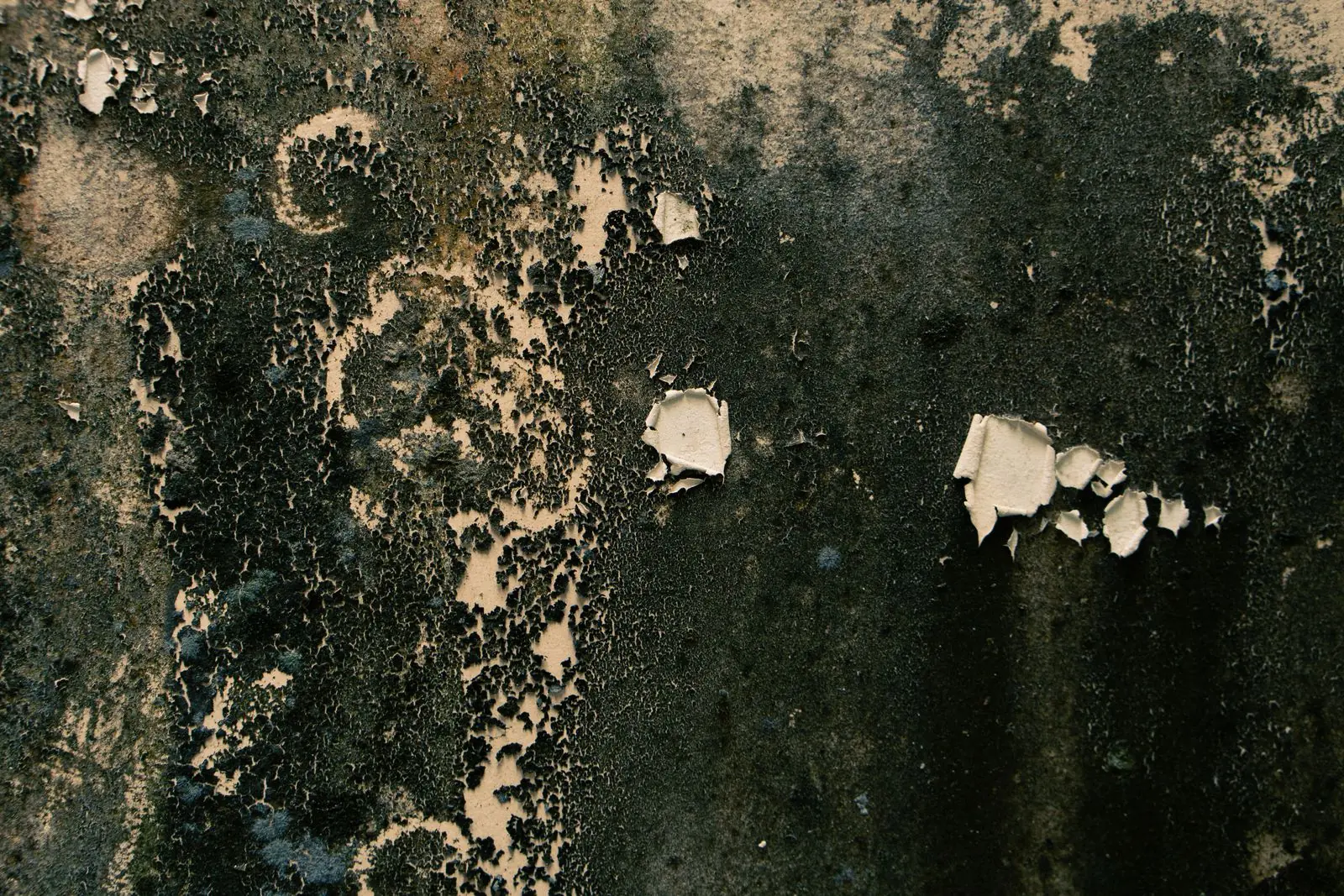
Look for discoloration on wood: fuzzy or spotty patches in black, green, gray, or white, especially in areas that were wet. A persistent musty or earthy smell is another strong indicator, even when you cannot see anything. Growth often starts in the least visible places: behind insulation, on the back side of drywall, or in corners with poor airflow.
Do not rely on a quick glance. Use a bright flashlight and look closely at the areas that stayed wet longest. If you find suspicious patches, avoid disturbing them, since scrubbing or tearing out materials can spread spores through the attic and into the house. Document what you see with photos and plan your next step.
What Should a Professional Mold Assessment Include?
A thorough assessment starts with finding and fixing the moisture source, because treating mold without stopping the water is pointless. The inspector should check moisture levels in wood and drywall with a meter, not just eyeball them, and examine areas hidden by insulation or stored items.
The assessment should map how far the moisture and growth have spread, identify which materials can be cleaned and dried versus which need removal, and lay out a drying plan before any rebuilding. Full attic water damage restoration in Austin includes drying, remediation, and rebuilding in the right order. Our Texas attic water damage hub covers assessment options across the state.
Can You Prevent Mold Growth After a Leak?
Yes, if you act fast. The single most effective step is drying everything within the first day or two: remove standing water, pull out soaked insulation, and run fans and dehumidifiers to bring wood moisture levels down. Fix the source of the leak at the same time, so you are not drying materials that are still getting wet.
Do not seal up damp areas or paint over them hoping the problem disappears. Trapped moisture is exactly what mold needs. If you cannot get the attic dry quickly on your own, or if the leak went unnoticed for a while, bring in professionals with proper drying equipment before growth has a chance to establish itself.