Attic Water Damage Cleanup
Complete attic water damage cleanup for Austin homes: debris and damaged-material removal, surface sanitizing, and preparation for the drying phase.

Attic water damage repair in Austin, TX: leak assessment, water extraction, structural drying, and restoration by MH Attics. Call (888) 853-1821 to request an inspection.
Request an InspectionCall (888) 853-1821
Serving homeowners in Austin, Texas
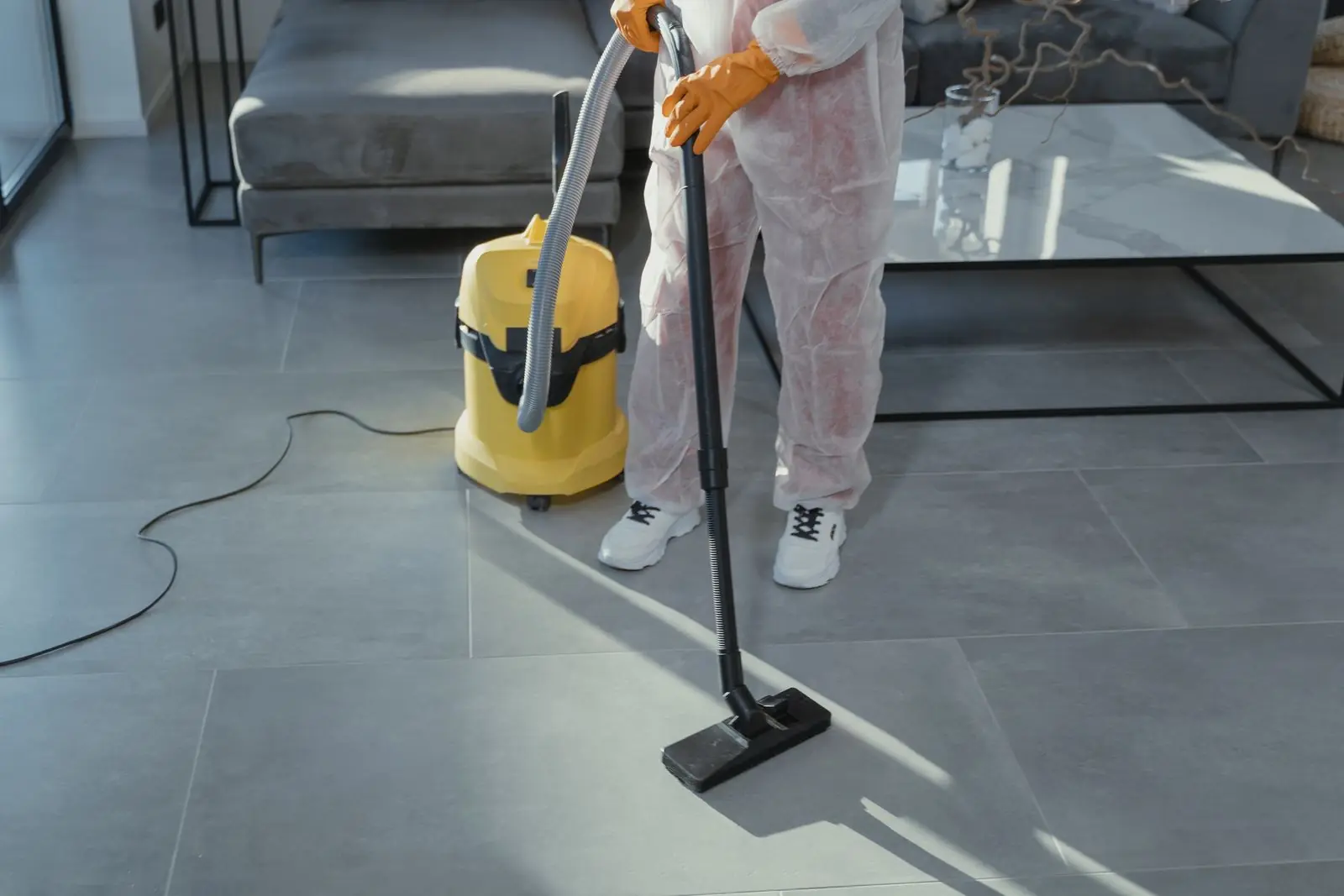
Complete attic water damage cleanup for Austin homes: debris and damaged-material removal, surface sanitizing, and preparation for the drying phase.
Fast standing-water removal for Austin attics using pumps and wet vacuums, plus guidance on what drying and cleanup follow next.
Safe evaluation and removal of saturated attic insulation in Austin homes: containment, disposal, and preparation for new insulation.
Controlled structural drying for Austin attics using air movers, dehumidifiers, and daily moisture-meter monitoring to verified dry goals.
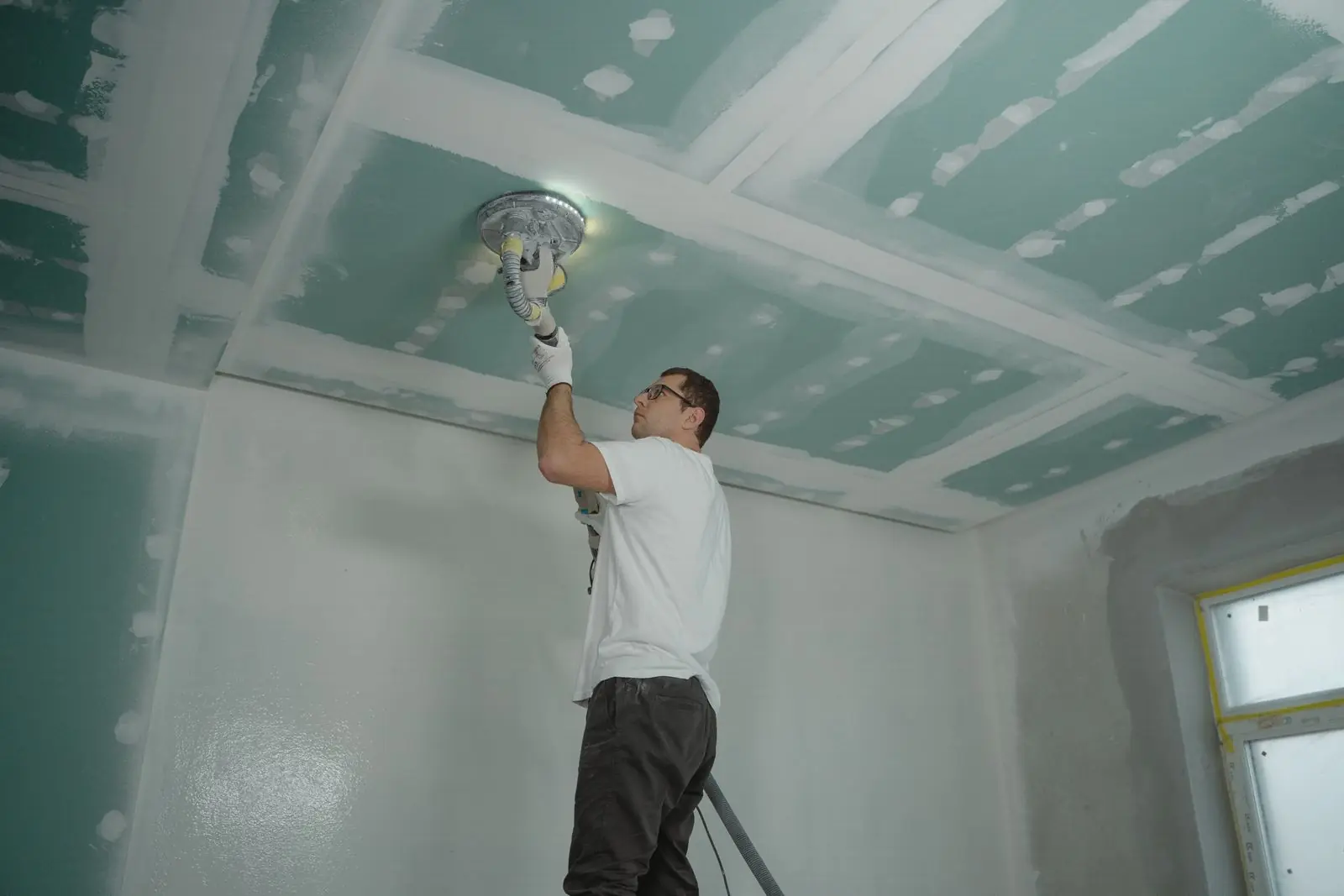
Full attic restoration for Austin homes: rebuilding damaged framing, decking, and drywall, then installing new insulation to reach pre-loss condition.
Full interior attic restoration after roof leaks: wet insulation removal, structural drying of decking and framing, and ceiling repair.
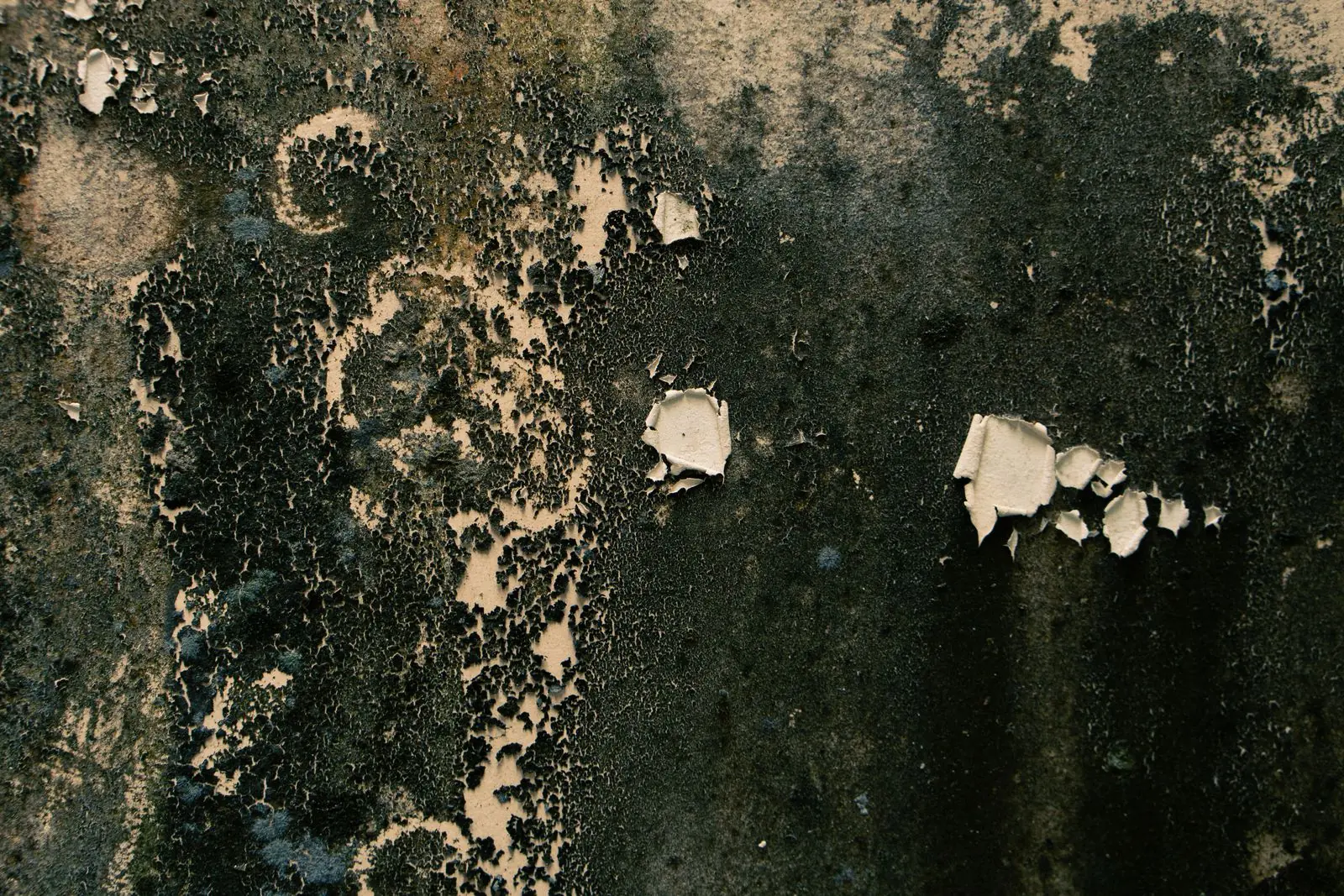
Inspect, contain and remediate attic mold growth after water damage, then fix moisture sources to prevent its return.
Urgent help for active attic leaks, storm damage, and burst pipes in Austin: immediate safety steps, damage control, and what emergency attic response covers.
Diagnose any attic leak, roof, plumbing or HVAC, stop the water at its source, then restore damaged materials.
Browse every attic water damage service available in Austin, TX.
We inspect the full attic, trace the water entry path, and map every affected area.
Standing water is extracted from the attic floor and low spots.
Wet insulation and damaged materials are removed for disposal.
Drying equipment reduces moisture in framing, decking, and remaining materials.
Damaged wood, drywall, and ceiling finishes are repaired or replaced.
The attic is cleaned and restored to a dry, serviceable condition.
Austin's explosive growth has layered new roofs over one of Texas' most volatile climates, where drought-deluge cycles define the roofing calendar. Months of blistering heat bake shingles brittle, then flash-flood downpours and hailstorms arrive with violent suddenness, cracking shingles and overwhelming flashing. Attics across the capital endure furnace-like summers that trap storm moisture, turning minor breaches into mold outbreaks in insulation and rotted decking above homes old and new.
Serving Austin, Texas in Travis County, including nearby Round Rock, Pflugerville and Cedar Park.
What drives attic water damage repair costs in Texas, and how to plan.
What homeowners can safely handle themselves, and what needs a professional.
Wet attic insulation: when it can be dried and when it must be removed.
In Austin, intense sun bakes shingles brittle and cracks sealants years ahead of schedule, while extreme attic heat warps plastic vents and cooks duct insulation. Rapid temperature swings loosen metal flashing through constant expansion and contraction. All of this weakens the roof quietly, so the next cloudburst finds openings you never saw coming.
Yes, in certain Austin locations. Creekside homes and low-lying areas can see cloudburst runoff pushed against the house, and that water can wick up wall cavities toward the attic. After any flash flood event, have the attic checked along with the ground floor.
Long dry spells in Austin bake sealants and shrink wood, opening small gaps in flashing and shingle courses. The first cloudburst of the season overwhelms gutters and drives rain through those gaps. Leaks that appear suddenly were usually months in the making.
Indirectly. Limestone around Austin drains fast, so surface flooding passes quickly, but rocky ground channels cloudburst runoff straight toward foundations. That concentrated runoff can enter wall cavities and reach attic-connected framing, especially on slab homes. Proper grading and gutter discharge direct that runoff away before it reaches the structure.
In Austin, flashing deserves a look at least once a year because heat and temperature swings loosen it faster than in milder climates. Check metal flashing around vents, chimneys, and skylights for lifted edges, cracked sealant, or corrosion, and have the attic side inspected after any major storm.
It can in Austin. Extreme attic heat radiates into living spaces and forces air conditioners to work harder, while also cooking repairs and ductwork. Balanced ventilation that lets heat escape protects the roof repair and can reduce the heat load on the home.
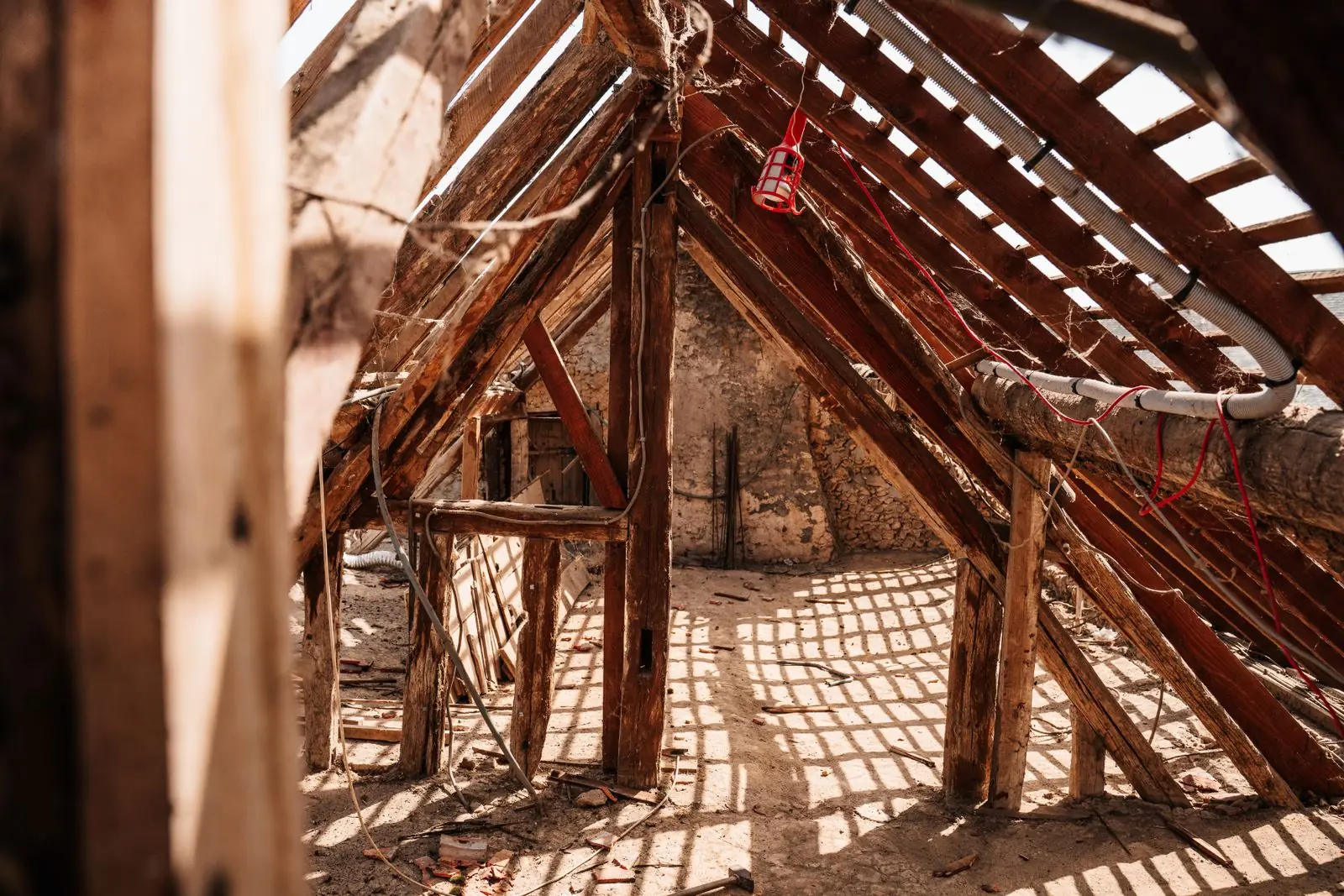
See a stain, smell mustiness, or found wet insulation in your Austin, TX attic? Call (888) 853-1821 to schedule an inspection.