Roof Leaks
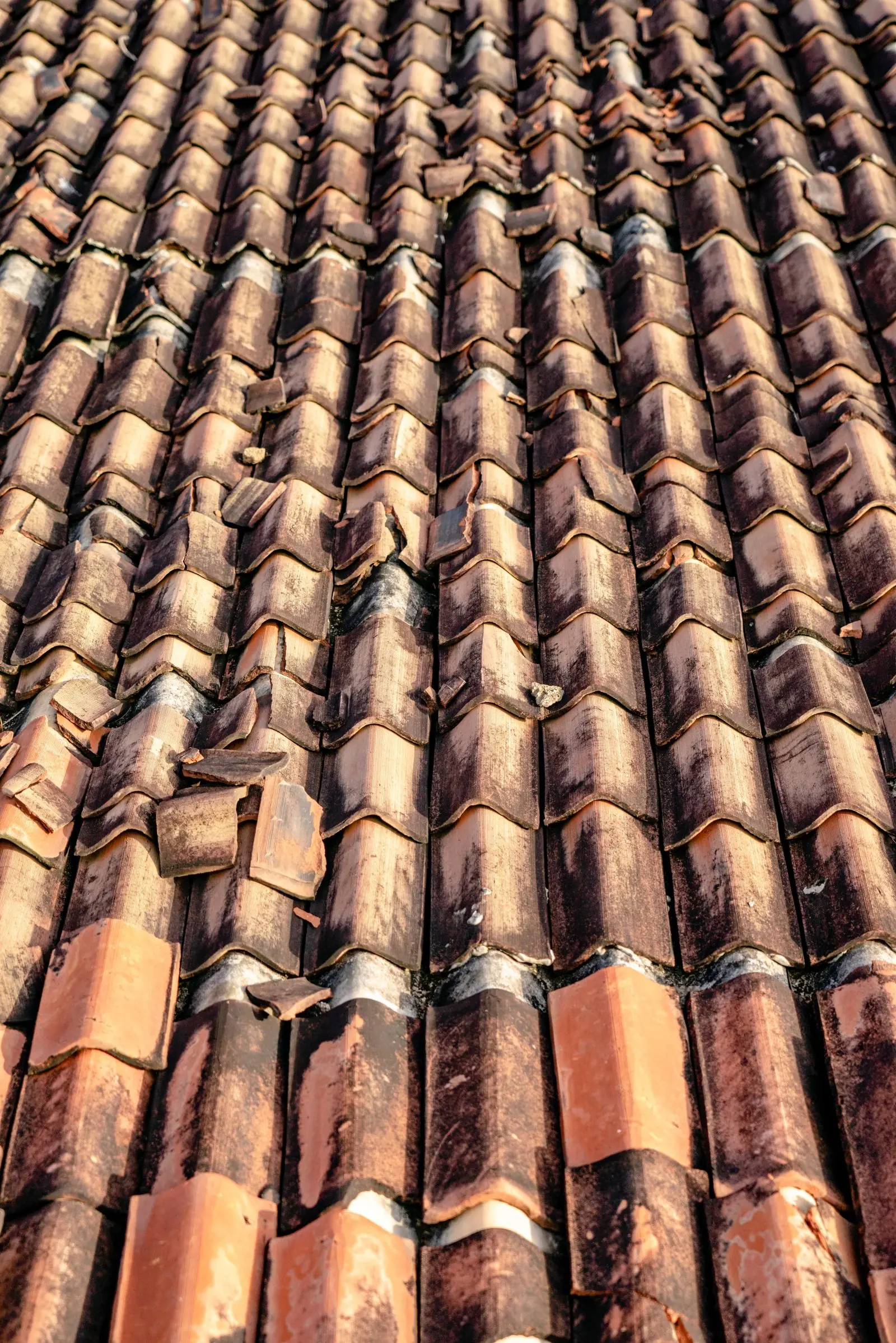
Wind-driven rain, hail damage, and worn flashing let water straight into Texas attics.
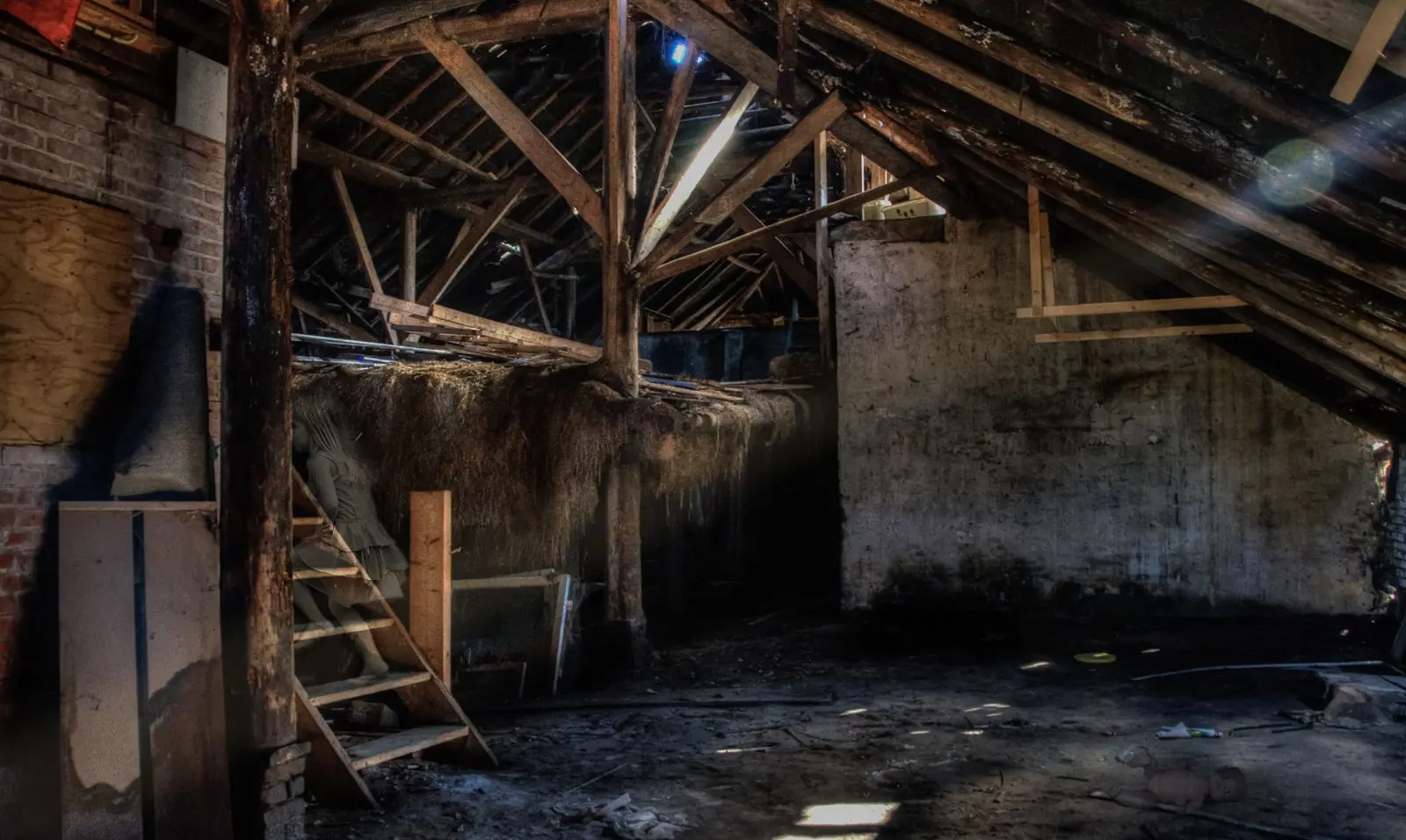
MH Attics repairs attic water damage for Texas homeowners: finding the leak, removing the water, drying the structure, and restoring the attic. Call (888) 853-1821 to request an inspection.
Request an InspectionCall (888) 853-1821
Serving homeowners across Texas
Attic water damage repair is the process of finding where water is getting into an attic, removing the water and the materials it has soaked, drying the structure completely, and restoring the space so it is safe and sound again. It is not a single task. A complete job usually combines leak assessment, water extraction, insulation removal, structural drying, cleanup, and repair of damaged wood, drywall, or other building materials.
In Texas, attics take on water for many reasons: wind-driven rain during Gulf storms, hail damage in the Dallas-Fort Worth area, failed flashing around vents and chimneys, condensation from poor ventilation, and leaking pipes or HVAC drain lines that run through attic space. Because attics are out of sight, damage often goes unnoticed for months. By the time a stain appears on the ceiling below, the attic above can already need significant work. MH Attics provides attic water damage repair in Texas for homeowners facing exactly this situation: we locate the water, remove it, dry the space thoroughly, and put the attic back together.
Wind-driven rain, hail damage, and worn flashing let water straight into Texas attics.
Clogged condensate lines and attic air handlers overflow, soaking insulation and framing.
Hurricanes, hail, and severe storms tear roofing and drive rain under shingles.
Texas attics face a wider range of water threats than attics in milder climates. Knowing the common causes helps you spot trouble early and describe it accurately when you ask for help.
Ice dams are rare in most of Texas, but the Panhandle and North Texas do see occasional winter storms that can push water under shingles. Whatever the cause, the repair approach is the same: stop the water, remove what it soaked, dry the structure, and fix the damage.
Attics are easy to ignore, which is why water damage there is often discovered late. Check your attic after major storms and at least a couple of times a year, and watch for these signs:
One sign alone may not mean disaster, but several together, or any sign that is getting worse over time, warrant a professional inspection. Catching it early almost always means a smaller repair.
Every attic is different, so the exact scope of a repair depends on where the water came from, how long it has been there, and what it has soaked. A full-service repair typically includes some or all of the following:
Not every job needs every step. A small, recently discovered leak might need only extraction and targeted drying, while a leak that has been running for a season can require insulation removal, mold remediation, and structural repair. The inspection determines the scope, and the scope determines the plan.
Complete attic water damage cleanup for Texas homes: debris and damaged-material removal, surface sanitizing, and preparation for the drying phase.
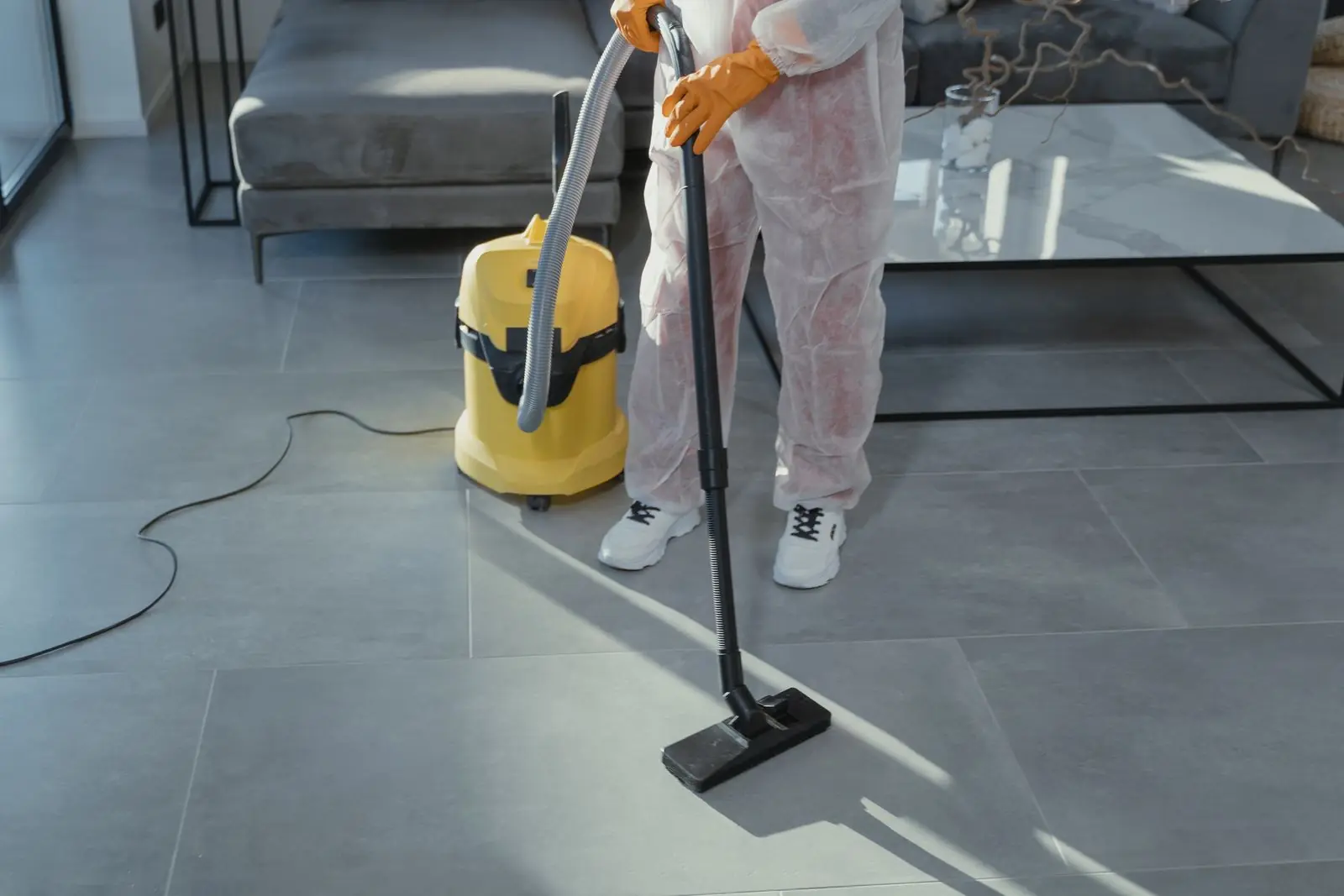
Fast standing-water removal for Texas attics using pumps and wet vacuums, plus guidance on what drying and cleanup follow next.
Safe evaluation and removal of saturated attic insulation in Texas homes: containment, disposal, and preparation for new insulation.
Controlled structural drying for Texas attics using air movers, dehumidifiers, and daily moisture-meter monitoring to verified dry goals.
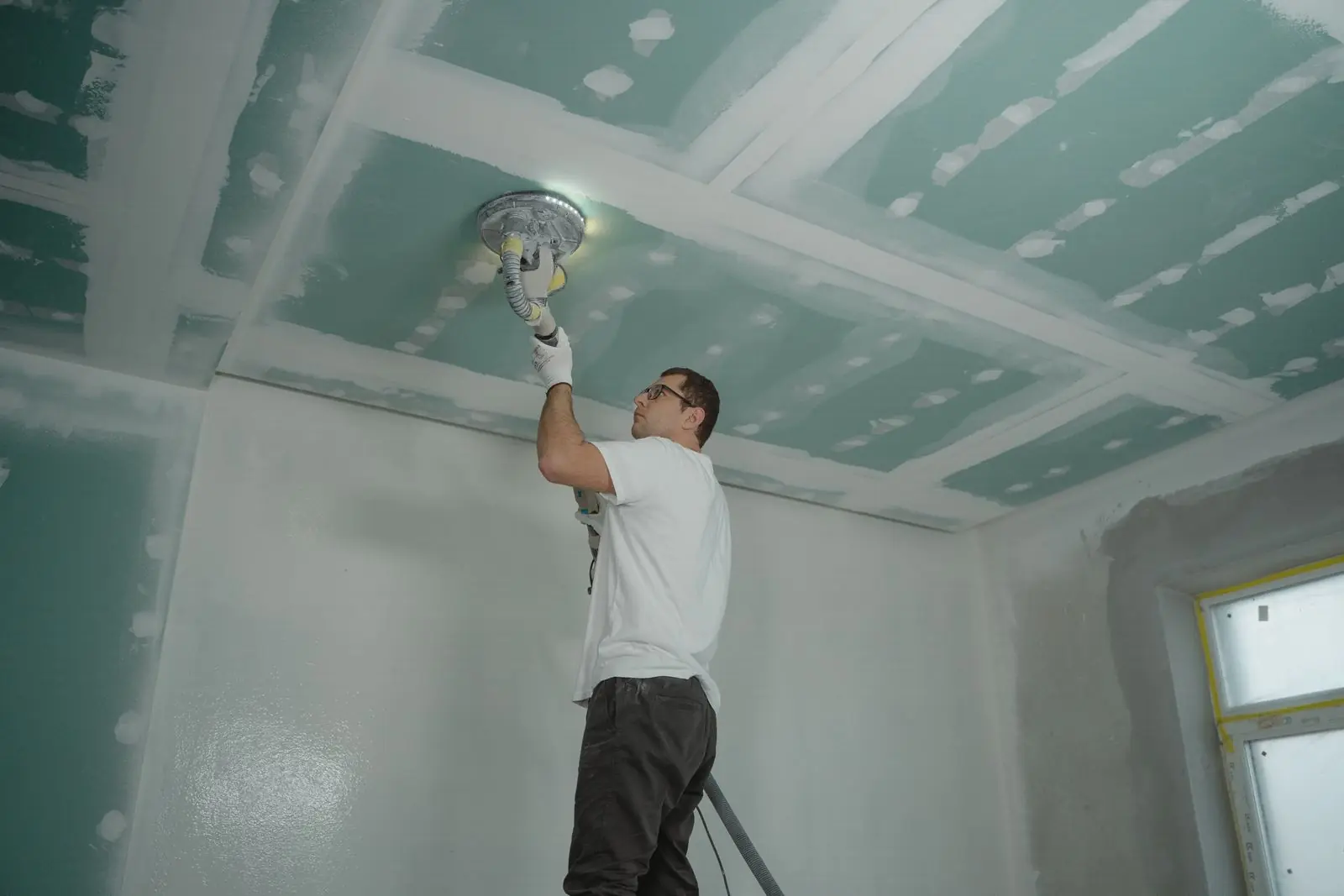
Full attic restoration for Texas homes: rebuilding damaged framing, decking, and drywall, then installing new insulation to reach pre-loss condition.
Full interior attic restoration after roof leaks: wet insulation removal, structural drying of decking and framing, and ceiling repair.
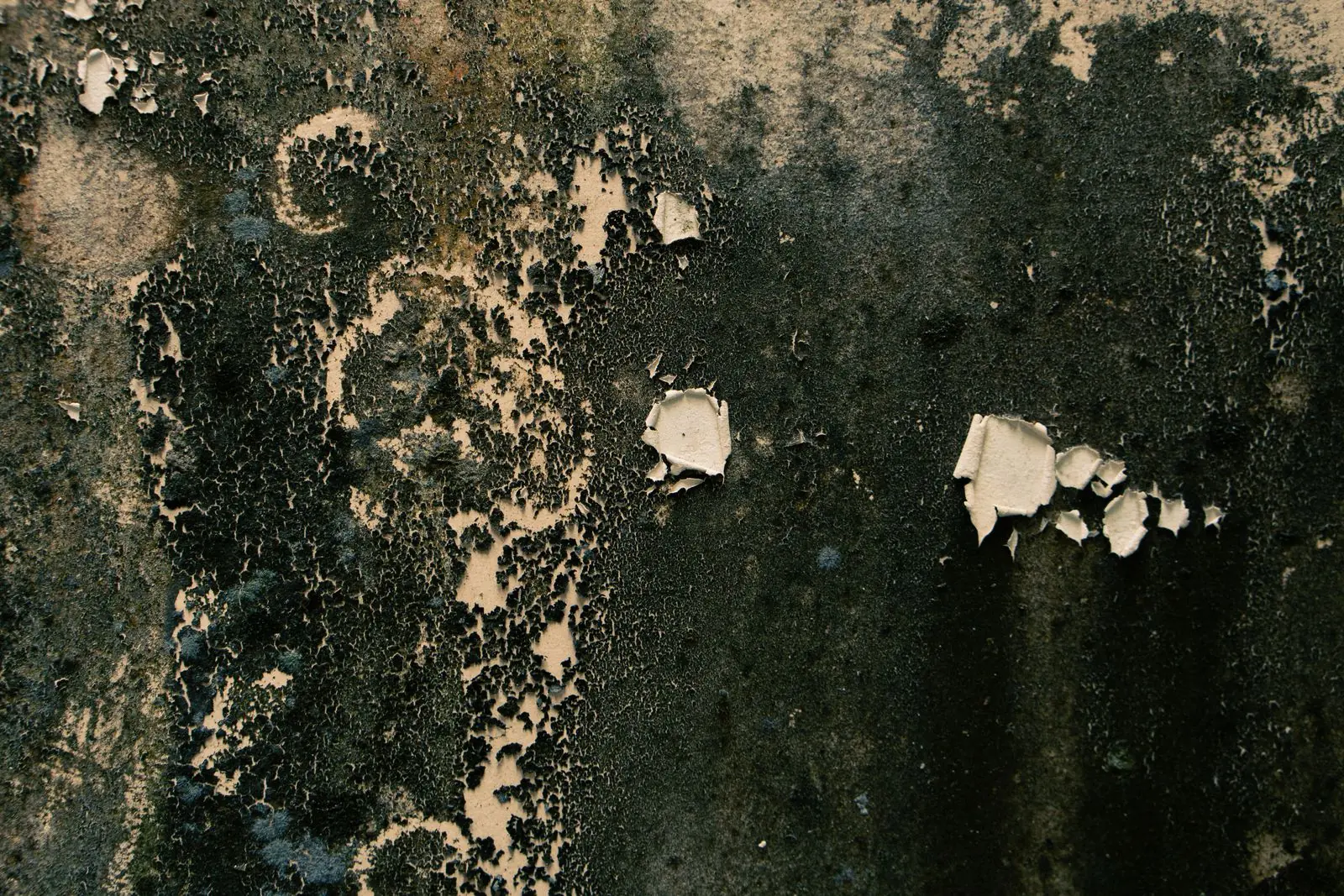
Inspect, contain and remediate attic mold growth after water damage, then fix moisture sources to prevent its return.
Urgent help for active attic leaks, storm damage, and burst pipes in Texas: immediate safety steps, damage control, and what emergency attic response covers.
Finding water in the attic is stressful, but the first hour matters. Work through these steps in order, and put your own safety first throughout. Our longer guide, what to do after water gets into your attic, walks through each step in more detail.
Speed matters, but so does doing things in the right order. Stopping the source and documenting the damage come before cleanup, and professional drying comes before repairs. Coverage depends on the policy, the cause of the loss, exclusions, deductibles and the circumstances; we are not adjusters and cannot promise how your carrier will rule.
We inspect the full attic, trace the water entry path, and map every affected area.
Standing water is extracted from the attic floor and low spots.
Wet insulation and damaged materials are removed for disposal.
Drying equipment reduces moisture in framing, decking, and remaining materials.
Damaged wood, drywall, and ceiling finishes are repaired or replaced.
The attic is cleaned and restored to a dry, serviceable condition.

Attic water damage is all we focus on. Every visit follows the same disciplined approach, from the first inspection to the final walkthrough.
A professional repair follows a deliberate sequence. Skipping steps, especially drying, is how attics end up with recurring mold or rotting wood a year later. Here is the order of operations:
1. Inspection and moisture mapping. The attic is inspected top to bottom: roof decking, flashing points, vents, plumbing, and HVAC components. Moisture meters map exactly which materials are wet and how deeply, so the plan targets real damage rather than guessing. The source of the water is identified, because drying an attic without stopping the leak is wasted work.
2. Water extraction. Standing water, saturated debris, and ruined stored materials are removed. Pumps and wet vacuums handle bulk water so that drying equipment can do its job on the structure itself. More detail is on our attic water extraction page.
3. Insulation evaluation and removal. Wet insulation cannot simply be dried in place and expected to perform. Fiberglass batts and blown-in insulation that have been soaked are removed, bagged, and taken out of the attic. This step is explained further under wet attic insulation removal.
4. Structural drying. With wet materials out of the way, framing, joists, and roof decking are dried using professional air movers and dehumidifiers. Moisture readings are taken over successive visits until the wood reaches acceptable levels. See attic drying for what affects drying time.
5. Cleanup and sanitizing. Debris is removed, surfaces are cleaned, and areas affected by the water are sanitized. If the water came from a contaminated source, this step is especially thorough. Our attic water damage cleanup page covers what this includes.
6. Mold remediation if needed. Where inspection finds mold on framing or decking, it is remediated as part of the project: contained, removed or treated, and verified, rather than simply covered with new insulation.
7. Structural repair. Rotted or weakened wood, damaged decking sections, and affected ceiling drywall in the rooms below are repaired or replaced so the structure is sound again.
8. Restoration and finishing. Dry insulation goes back in, repairs are finished, ventilation issues found during the project are corrected, and the attic is left clean. The full scope of this phase is described under attic water damage restoration.
Throughout the project, moisture readings and photos document the progress. That record protects you: it proves the attic was actually dried, not just covered up.
View all Texas service areas →
MH Attics is based in Austin and provides attic water damage repair for homeowners across Texas. The state's size means attics face very different threats in different regions: Gulf Coast storms and humidity, hail in North Texas, flash flooding and heat in Central Texas, heavy rain and tree cover in East Texas, and hurricane exposure in South Texas. Our crews work statewide, and the inspection and repair process adapts to the regional cause behind your damage.
Service is organized by region so homeowners can find help relevant to their area, from the Houston metro and the Gulf Coast through Dallas-Fort Worth, Central Texas, San Antonio, East Texas, West Texas, and the Rio Grande Valley. For the full breakdown of service areas and the specific services available in each, visit our Texas service hub, which also explains how statewide scheduling works and what to expect when you request an inspection.
Found water in your attic? A step-by-step guide to staying safe and limiting damage.
What drives attic water damage repair costs in Texas, and how to plan.
What to check in your attic after a storm, and when to call a professional.
Not every attic leak needs same-day attention, but some situations should not wait. Treat it as urgent when any of the following are true:
In these cases, the priority is stopping the water and preventing structural or electrical hazards, then stabilizing the space until full repairs can begin. Our emergency attic water damage page describes how urgent calls are handled. If there is any risk from electricity or a collapsing ceiling, stay out of the area and get help rather than investigating it yourself.
Not always, but attics are among the most mold-prone places in a Texas home when they get wet. Mold needs three things: moisture, organic material to feed on, and time. A wet attic provides the first two easily, since wood framing, roof decking, and paper-backed insulation are all food for mold, and Texas warmth accelerates growth.
On wet porous materials in a warm attic, Mold can begin growing quickly when moisture remains on porous materials, with warm, humid conditions accelerating the process, which is why fast extraction and drying matter so much. Our article on how long mold takes to grow after an attic leak explains the timeline and the conditions that speed it up or slow it down.
A few practical points:
During a professional repair, mold found on framing or decking is remediated as part of the project, and the attic is dried to levels that do not support regrowth. Covering mold with new insulation or paint without addressing it is not a repair.
There is no single answer, because drying time depends on how much water the materials absorbed and the conditions working for or against evaporation. As a general range, a lightly affected attic can dry in a few days, while a severely soaked attic with saturated framing can take a couple of weeks of active drying. What moves a project toward one end of that range or the other:
| Factor | How it affects drying |
|---|---|
| Extent of saturation | Surface dampness dries fast; water soaked deep into framing or decking takes much longer. |
| Materials involved | Dense wood and multiple layers dry slower than single exposed surfaces. |
| Whether wet insulation was removed | Wet insulation traps moisture against wood; removing it speeds structural drying considerably. |
| Ventilation and airflow | Good air movement carries moisture away; stagnant, sealed attics dry slowly. |
| Outdoor humidity and season | Texas summer humidity slows evaporation; drier air speeds it. |
| Whether the source is fixed | An attic that is still taking on water cannot dry, no matter the equipment. |
Professional drying is verified with moisture meter readings taken over time, not by guesswork or by how the surface feels. The attic is considered dry when readings across the affected materials reach acceptable levels and stay there, which is also what prevents mold from returning after the equipment is removed.
Any honest answer starts with this: attic water damage repair cannot be priced without seeing the attic. Two homes with the same stain on the ceiling can need completely different work once the attic is inspected. Be wary of anyone who quotes a firm number over the phone without an inspection.
What actually drives the cost of a project:
Because no two attics are alike, every project is estimated individually after an on-site inspection, with the scope explained before work begins. Our article on attic water damage repair cost goes deeper into these factors and what to expect from the estimating process. The cheapest option is almost always catching the problem early, before water has time to multiply the damage.
It depends on the cause and your policy. In general, homeowners insurance covers sudden and accidental water damage, such as a storm tearing off shingles or a pipe bursting. It typically does not cover damage from long-term neglect, wear and tear, or maintenance issues, such as a roof that has been deteriorating for years or a leak you knew about and ignored.
The distinction often comes down to documentation. Insurers want to see what happened, when it happened, and what was damaged. That is why the photos and video you take at discovery matter, and why professional documentation helps: moisture readings, a written scope of damage, and before-and-after records of the drying and repair work.
MH Attics helps with the documentation side of insurance claims by recording conditions found during inspection, the work performed, and the results. We are not adjusters and cannot promise how your carrier will rule, but thorough records give your claim the best possible foundation. If you are unsure whether to file, review your policy's water damage exclusions and talk to your agent before the damage progresses further. Coverage depends on the policy, the cause of the loss, exclusions, deductibles and the circumstances; we are not adjusters and cannot promise how your carrier will rule.
Roof leaks usually leave localized staining near the entry point and worsen during rain. Condensation tends to appear as widespread dampness, frost-like moisture on nails, or dampness that shows up even in dry weather. A professional inspection with moisture mapping distinguishes the two reliably, which matters because the fixes are completely different.
Surface moisture may evaporate, but water soaked into insulation, framing, and decking does not dry adequately on its own in a reasonable time, especially in humid conditions. Meanwhile mold can establish itself within days. Passive drying is a gamble; measured, active drying is a repair.
Only the insulation that got wet. Dry, unaffected insulation can stay. Wet insulation is removed because it no longer insulates properly and holds moisture against the structure. After drying, new insulation goes into the affected areas.
A ceiling that is bulging, sagging, or dripping steadily is holding water weight it was not designed for and should be treated as a hazard. Stay clear of the area and get professional help promptly. Most stained-but-flat ceilings are not in imminent danger, but they still signal a problem above that needs attention.
Take the possibility seriously, especially if the leak went unnoticed for a while or you smell mustiness. Mold in the attic can affect indoor air quality as air moves between the attic and living spaces. Professional remediation, followed by verified drying, resolves it.
Fix the source properly rather than just the symptoms: repair the roof or flashing, fix the plumbing or HVAC issue, and correct ventilation problems that drive condensation. Periodic attic checks, especially after major storms, catch new problems while they are small.
Yes. We document conditions found during inspection, the work performed, and drying results with photos and moisture readings. That record supports your claim, though the coverage decision itself belongs to your insurer.
Water in the attic never improves on its own. It spreads through insulation, soaks into framing, feeds mold, and eventually shows up as damage in the rooms below. The homeowners who fare best are the ones who act early: stop the source, document the damage, and get a professional inspection that maps the real extent of the moisture. From there, extraction, drying, and restoration follow a proven sequence that leaves the attic dry, clean, and sound. If you have found water in your attic anywhere in Texas, that inspection is the right first step.
Noticed a stain, a musty smell, or damp insulation? Call (888) 853-1821 to schedule your attic inspection.