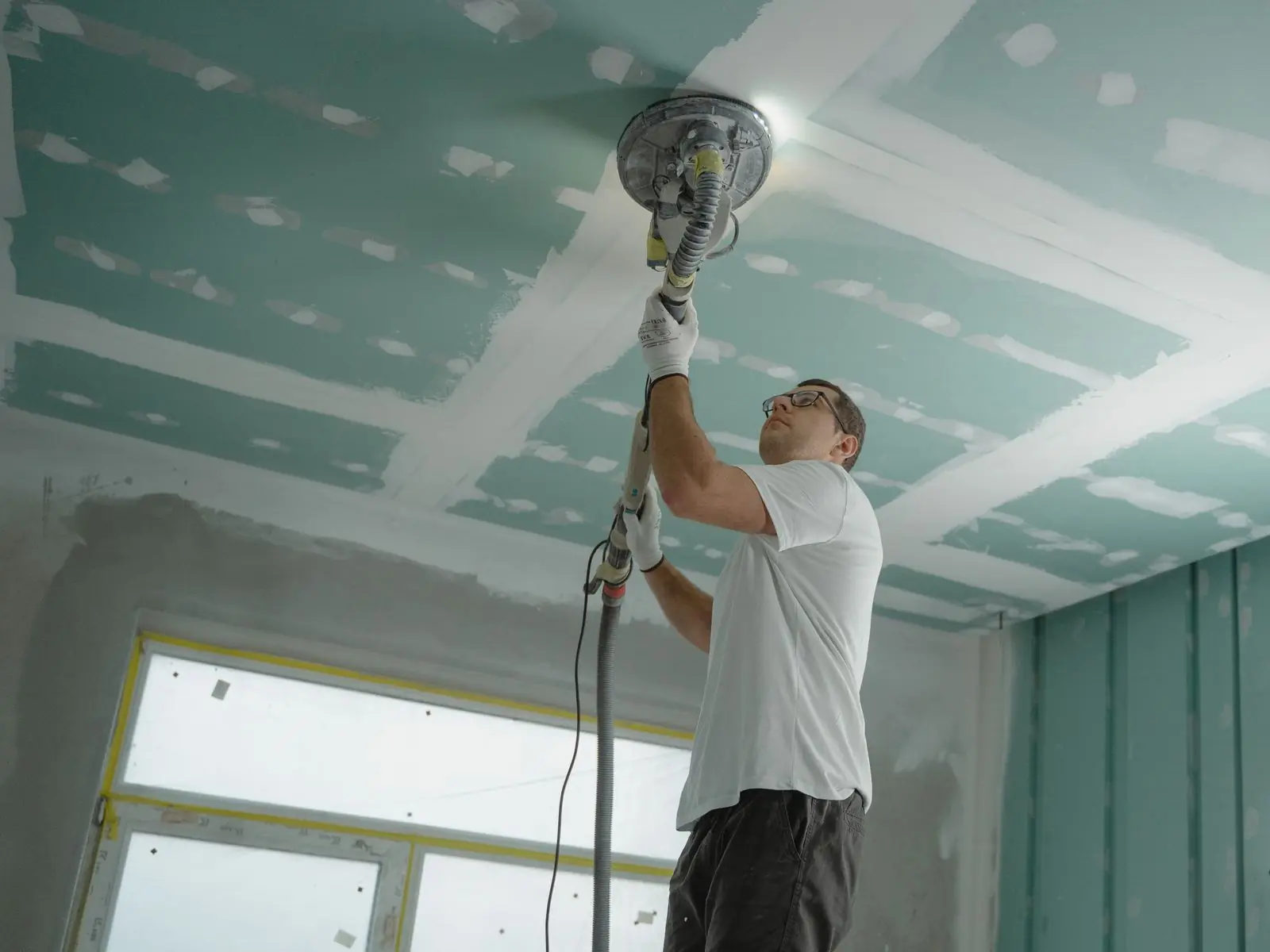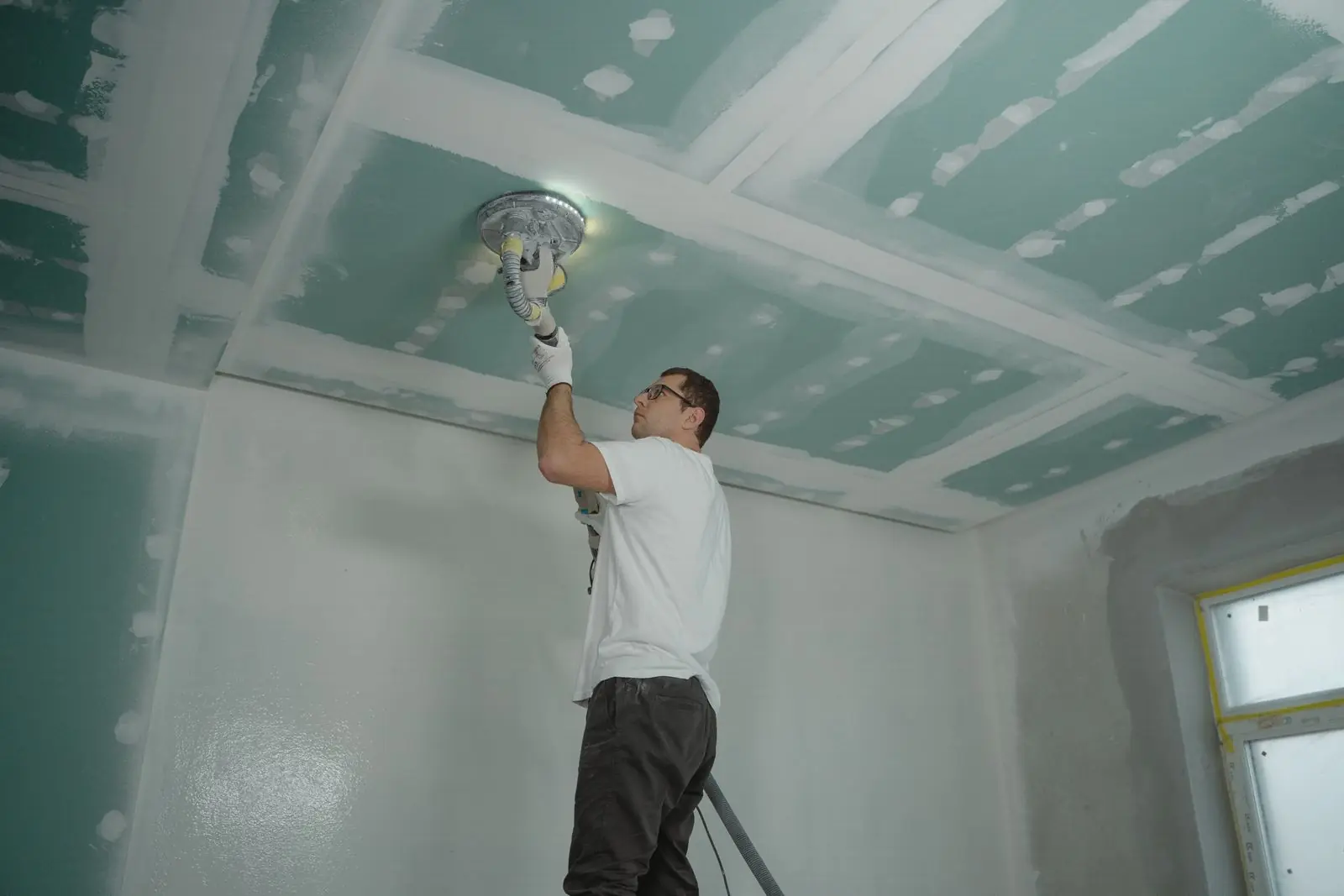
Attic Leak Water Damage
Diagnose any attic leak, roof, plumbing or HVAC, stop the water at its source, then restore damaged materials.
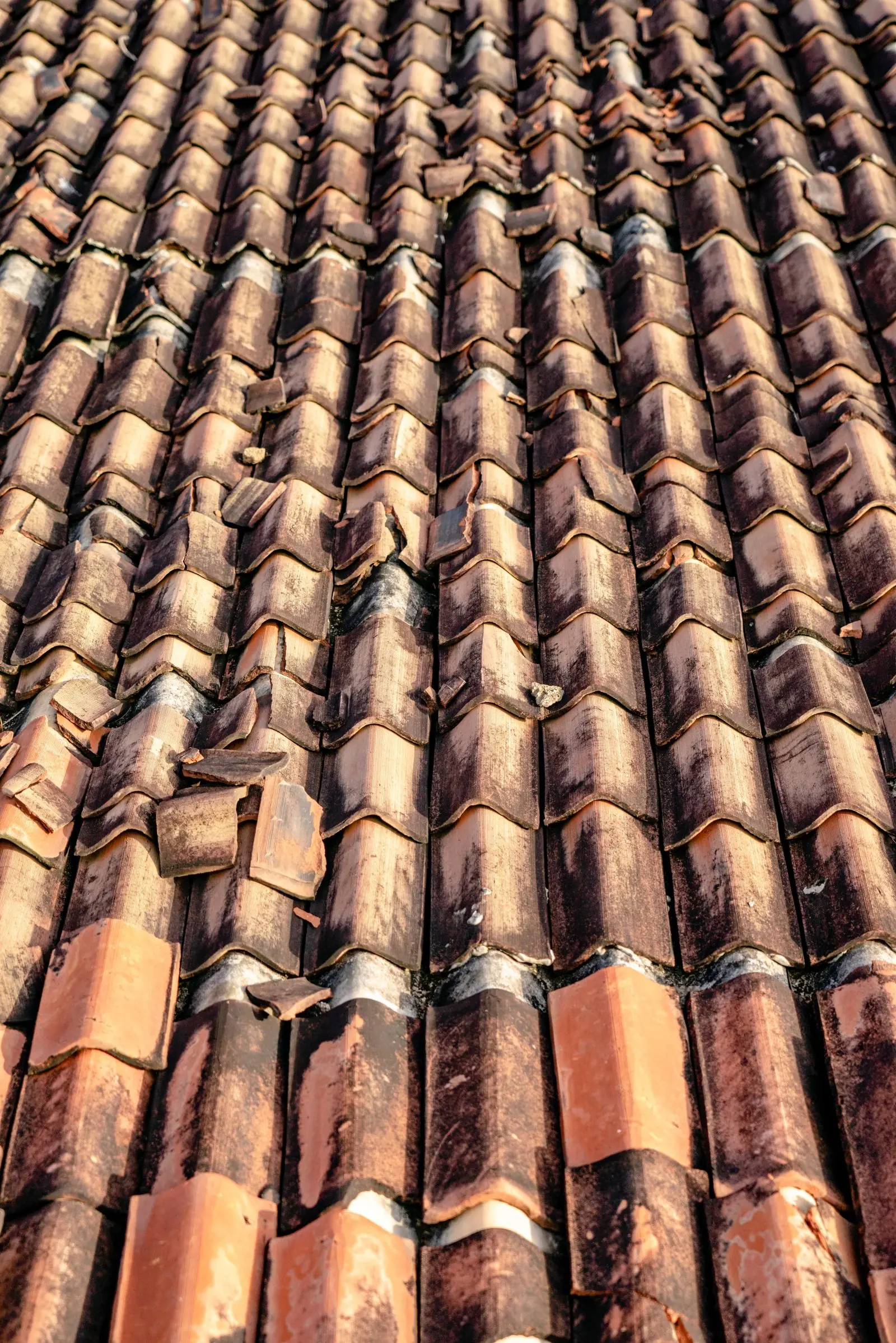
Full interior attic restoration after roof leaks: wet insulation removal, structural drying of decking and framing, and ceiling repair.
Request an InspectionCall (888) 853-1821
Roof Leak Attic Damage Restoration in Kyle, TX
When a roof fails in Kyle, the attic takes the hit first. Water travels along rafters and trusses, pools on the top plates, and saturates insulation long before a ceiling stain ever appears downstairs. By the time you notice, the damage is usually wider than it looksincluding nearby Buda, San Marcos and Austin.
Roof leak attic damage restoration means putting that whole chain right: first the leak source is addressed, then the attic is dried, damaged materials are removed, and ceilings and insulation are rebuilt. MH Attics handles the interior restoration side for homeowners in Hays County, so the roof gets fixed and the attic below it gets properly restored. Every Kyle job starts with mapping the full extent of the damage, so nothing wet gets sealed inside the rebuild.
Roof leak attic damage restoration covers everything the leak touched inside the house: wet insulation, moisture-stained roof decking, damp rafters and joists, and the ceiling drywall below. It starts once the roof itself is being repaired, because no interior work should be sealed up while water is still getting in. It is a common finding in Kyle homes after roof leaks and storms.
In Kyle, a typical restoration follows the water's path in reverse. We inspect the attic to map the entry point and the full spread of moisture, remove insulation that is matted or contaminated, dry the exposed framing and decking with controlled airflow, and repair or replace ceiling materials that the leak ruined. This sequence matters: drywall patched over a still-damp deck will stain again within weeks, and insulation installed before the structure is dry traps moisture against the wood. In Kyle, we verify each stage with moisture readings before moving to the next.
Water rarely drips straight down. It travels along rafters and trusses, runs down the underside of roof decking, and can emerge feet away from where it entered, which is why Kyle homeowners often chase a leak in the wrong spot. A proper diagnosis starts in the attic during or right after rain, when staining patterns and wet paths are visible.
We look for the telltale signs: water trails running down rafters, rusted nail heads in the decking, darkened or softened wood around penetrations like vents and pipe boots, and flashing points that have lifted or corroded. Moisture meters confirm whether wood is still holding water or has already dried. Finding the true entry point matters because the roof repair above and the restoration below both depend on knowing exactly which flashing, shingle course, or vent boot failed in your Kyle home.
The first casualty is insulation: fiberglass and cellulose lose R-value when soaked, and wet cellulose can settle into a dense mat that holds moisture against framing for months. Next the roof decking absorbs water through its underside, showing dark staining or softening around fastener points. It is a common finding in Kyle homes after roof leaks and storms.
Left alone, damage spreads downward: rafters and ceiling joists absorb moisture along their length, metal fasteners begin to corrode, and the ceiling drywall below eventually bubbles, sags, or collapses. In Kyle attics, where summer heat accelerates mold growth on damp wood, speed matters: materials dried within days usually survive, while materials left wet for weeks often must be removed. The lesson for Kyle homeowners is simple: the sooner the attic is inspected, the more of it can be saved.
Yes. The roof repair always comes first, or at minimum a confirmed plan for it. Restoring an attic beneath an active leak is wasted work: new insulation will soak, fresh drywall will stain, and dried framing will re-wet with the next rain. The roof fix and the attic restoration are two halves of one job and should be scheduled as a sequence. It is a common finding in Kyle homes after roof leaks and storms.
In practice, many Kyle homeowners have a roofer handling the exterior while we handle everything from the roof deck inward. Temporary measures such as tarping can buy time if scheduling slips, but they are a bridge, not a solution. Our assessment documents the attic damage in detail, which helps you and your roofing contractor agree on what the leak affected and keeps the restoration sequenced correctly behind the roof repair. That sequencing protects your Kyle investment in both the roof and the rooms below it.
It depends on the spread. A contained leak caught early in a Kyle home might need two to four days: assessment, removal of wet insulation, structural drying of the affected framing and decking, and rebuild. A leak that ran through multiple rainstorms before it was found can take one to two weeks once you add drying time for saturated wood and ceiling repairs across several rooms.
The biggest variable is drying. Rafters and decking that read dry on a moisture meter can be closed up quickly; wood that has been absorbing water for months needs sustained airflow and dehumidification before it meets dry standards. We verify with pin and probe moisture meters at each stage rather than guessing, so insulation and drywall go back in only when the structure is genuinely ready. Rushing this stage is the most common cause of callbacks on Kyle attic restorations.
Diagnose any attic leak, roof, plumbing or HVAC, stop the water at its source, then restore damaged materials.
Assess ceiling stains, bubbling paint and sagging drywall from both sides, then repair the leak and the ceiling.
Full attic restoration for Kyle homes: rebuilding damaged framing, decking, and drywall, then installing new insulation to reach pre-loss condition.
Fast standing-water removal for Kyle attics using pumps and wet vacuums, plus guidance on what drying and cleanup follow next.
Controlled structural drying for Kyle attics using air movers, dehumidifiers, and daily moisture-meter monitoring to verified dry goals.
What a roof leak does to your attic, and what needs to happen next.
Fixing the roof but leaving wet insulation behind creates bigger problems later.
A stained ceiling with no visible leak usually means trouble in the attic above.
Yes. Most roof leak jobs in Kyle involve both trades, and coordination keeps the sequence right: roof repair first, then attic drying, then rebuild. We share our attic assessment findings so your roofer knows exactly what the leak affected from below, and we schedule our restoration work around their repairs.
We handle the attic restoration side: drying, insulation removal and replacement, framing repairs, and ceiling work in your Kyle home. The roof repair itself, flashing, shingles, vents, and decking replacement from the top, is handled by a roofing contractor, and we sequence our work around theirs so the source is fixed before the interior is restored.
That is risky. A small ceiling stain in Kyle often hides soaked insulation and wet decking above, and patching the drywall traps moisture inside the structure. Moisture left in the attic can soften framing over time and feed mold growth on damp wood. An attic inspection first tells you whether the damage is truly minor before you decide what to repair.
Not always, but often. Fiberglass that is only lightly dampened and dries quickly can sometimes be left in place in a Kyle attic. Insulation that is matted, compressed, contaminated by debris from a deck failure, or still wet after the source is fixed should come out, because it has lost its thermal performance and holds moisture against framing.
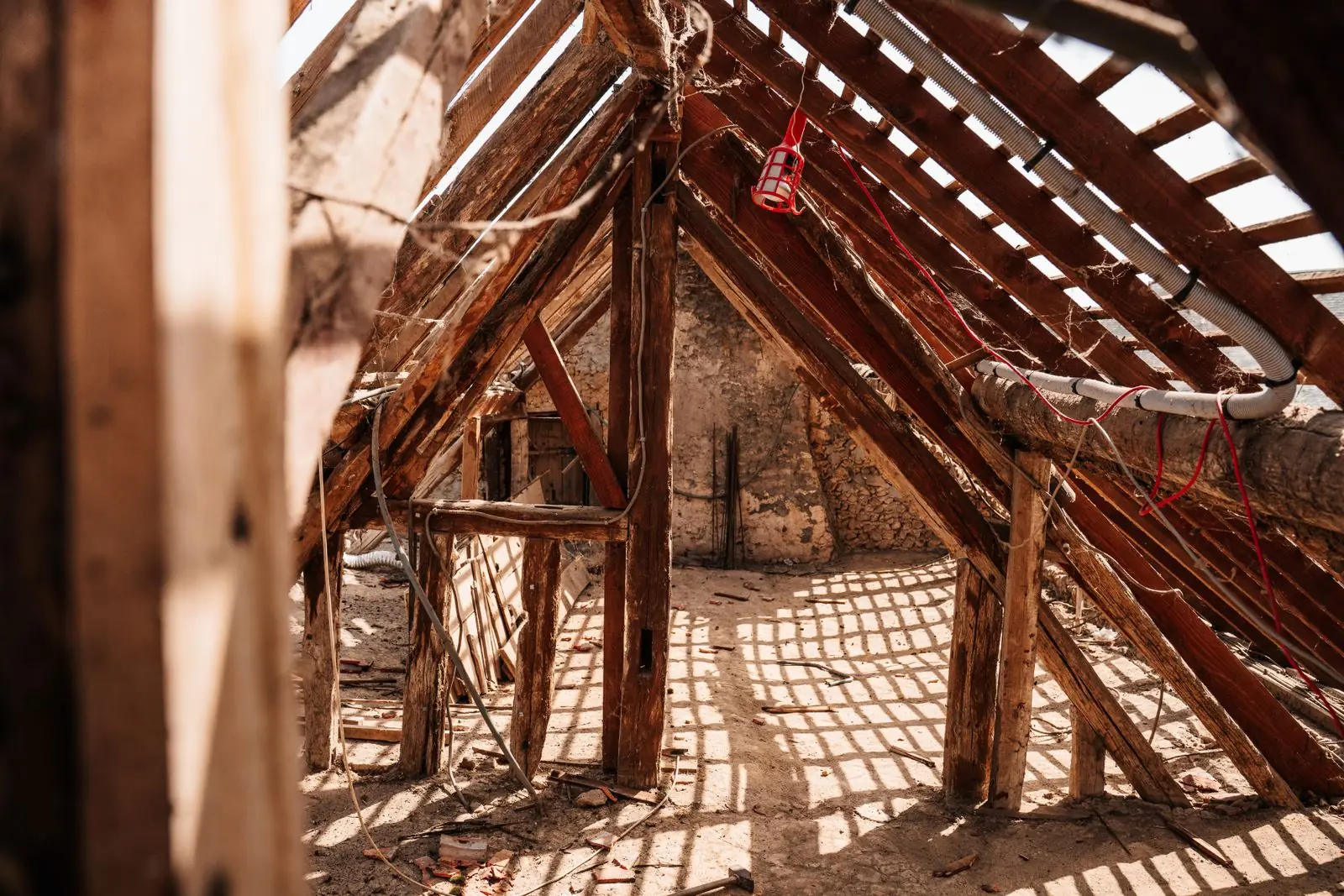
Need roof leak attic damage restoration in Kyle, TX? Call (888) 853-1821 to schedule an attic inspection.