Loft Water Damage Cleanup
Water cleanup for finished Sadler lofts: extraction, contents protection, sanitizing, and drying prep for converted attic living spaces.
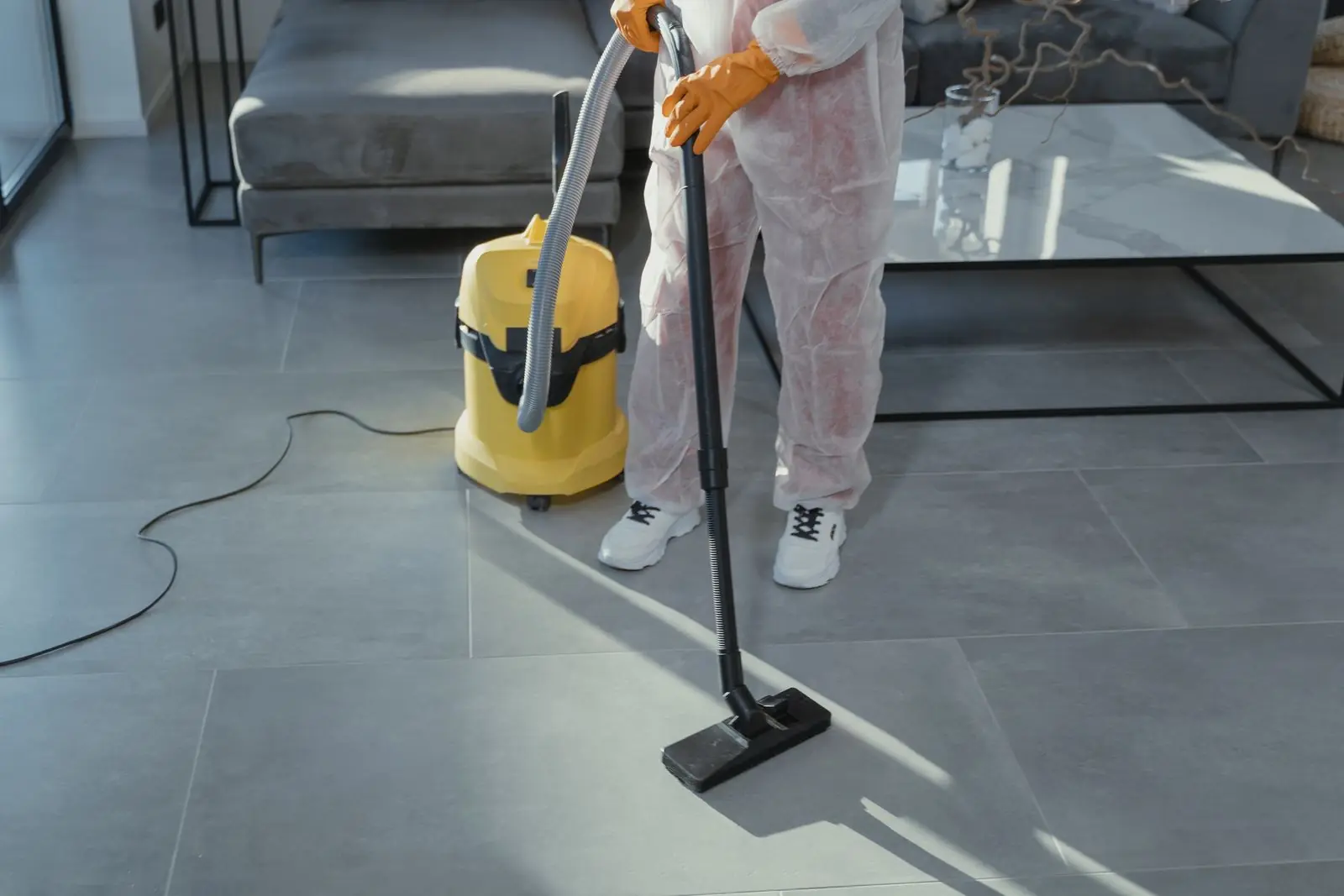
Standing water removed from finished loft spaces in Sadler: fast extraction that protects hardwood, carpet, and finishes while setting up proper drying.
Request an InspectionCall (888) 853-1821
Loft Water Extraction in Sadler, TX
The difference between a quick extraction and a slow one shows up months later in cupped floorboards and musty carpet. When a loft in Sadler takes on standing water from a roof leak, a failed supply line, or wind-driven rain through a damaged window, the water does not sit politely on the surface. It migrates into every porous material it touches, and porous materials are what finished rooms are made of.
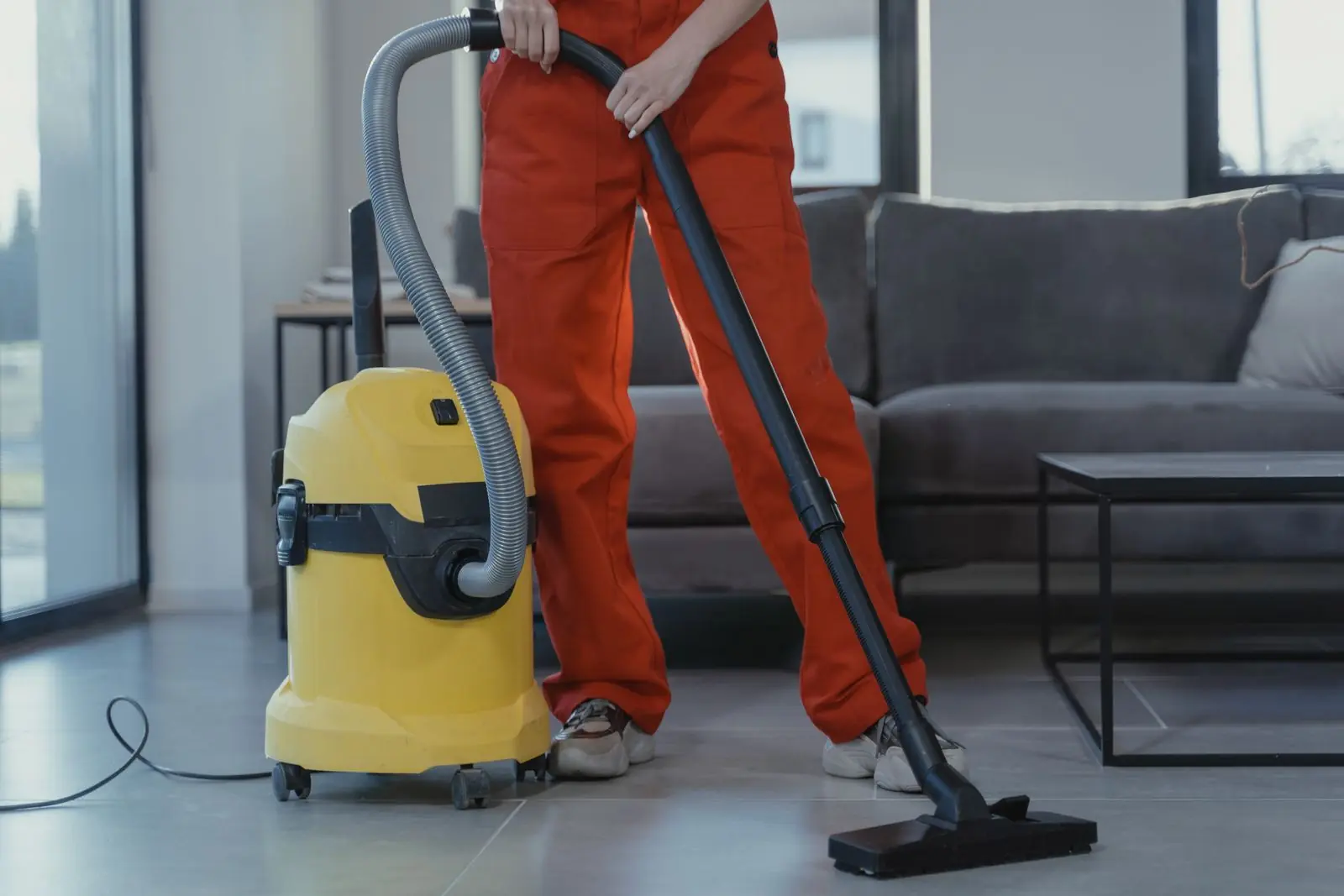
Professional extraction removes water far faster and more completely than towels, mops, or a household wet vacuum. High-capacity portable units pull water from carpet, pad, and hard floors in a single pass, including water you cannot see. For loft water extraction in Sadler, MH Attics sizes the equipment to the space so a bedroom-sized loft gets the same thorough pass as a whole floor.
Extraction starts with a walkthrough of the Sadler loft to find every wet area, including the ones hiding under furniture and along walls. Standing water comes out first with high-capacity extraction units, working from the wettest areas outward so dirty water is not tracked across cleaner sections. On carpet, weighted extraction tools use the operator's body weight to press water from both carpet and pad in overlapping passes.
Hard surfaces get a different touch: smooth-headed wands pull water from hardwood, laminate, and tile without scratching, while water trapped under baseboards is released by carefully detaching trim. Throughout the process, furniture is moved once, protected, and staged in a dry area. It is a common finding in Sadler homes after roof leaks and storms.
In a Sadler loft, MH Attics sequences the work so extraction finishes with moisture readings that show exactly what is left for the drying phase to handle, giving the rest of the project a verified starting point.
Living spaces need equipment that is powerful but controllable. Truck-mounted units stay outside with hoses run carefully through the home, while portable extractors handle upper-floor lofts. Everything touching a finished floor is chosen to clean without scarring. For Sadler homeowners, catching this early keeps the repair simpler.
| Equipment | What it does |
|---|---|
| Portable extractor | High-suction water removal sized for upper floors and tight loft layouts. |
| Weighted extraction tool | Presses standing water from carpet and pad using operator weight. |
| Hard-surface wand | Pulls water from wood, laminate, and tile with a smooth, non-marring head. |
| Subsurface extraction tool | Draws water from carpet pad through the carpet face without detaching it. |
| Moisture meter | Maps how far water traveled into floors, walls, and trim. |
The meter matters as much as the extractors. In Sadler, loft water extraction ends only when readings confirm the water is out of the assemblies, not just off the surface. MH Attics documents those readings in Sadler homes so the drying phase starts from verified numbers, not assumptions.
Protection starts before the first hose is uncoiled. Walk-off sheeting goes down over dry flooring along the work path, furniture legs get foil or plastic tabs so stains do not transfer to wet carpet, and delicate items are moved out of the splash zone. Technicians work in a sequence that keeps dirty water moving toward the exit, never across already-cleaned areas. For Sadler homeowners, catching this early keeps the repair simpler.
Technique protects finishes as much as equipment does. Wands stay flat and moving on hardwood to avoid pressure marks, carpet is never aggressively scrubbed while saturated, and baseboards are pried gently to avoid cracking paint lines that would complicate later repairs. It is a common finding in Sadler homes after roof leaks and storms.
A loft in Sadler is someone's bedroom or office, and MH Attics treats loft water extraction in Sadler with that respect: the water leaves, the finishes stay, and the room is ready for the drying phase.
Extraction removes the bulk water, but a finished loft is not dry when the puddles are gone. Carpet pad, subfloor, the bottom inches of drywall, and wall cavities all hold residual moisture that extraction alone cannot reach. That is when structural drying begins: dehumidifiers sized to the space and directed airflow that pushes dry air across wet surfaces and into cavities. For Sadler homeowners, catching this early keeps the repair simpler.
Drying equipment typically runs for several days while moisture readings are checked and the setup is adjusted. Only when readings reach dry standards do repairs begin. Skipping this phase is the most common cause of callbacks: paint over damp drywall and the blistering starts within weeks. It is a common finding in Sadler homes after roof leaks and storms.
After loft water extraction in Sadler, MH Attics moves directly into monitored drying so the Sadler project stays on a verified path from wet to rebuilt, with no guesswork about when the space is ready.
Texas humidity is the short answer. In Sadler, indoor air in summer already carries heavy moisture, so wet assemblies release their water slowly if at all, and the damp window stretches from days into weeks. That extended damp time is exactly what mold needs to establish itself inside wall cavities and under flooring, where no amount of open windows will reach.
Air-drying also leaves the damage uneven. Surface wood dries and shrinks while the subfloor stays swollen, which is how floors cup and doors stop closing. Mechanical dehumidification pulls moisture from all layers at once, keeping the assembly drying evenly and protecting the finishes above it. It is a common finding in Sadler homes after roof leaks and storms.
Professional loft water extraction in Sadler is always followed by professional drying, because the Sadler climate does not do the job on its own and the hidden layers will not wait.
Water cleanup for finished Sadler lofts: extraction, contents protection, sanitizing, and drying prep for converted attic living spaces.
Full restoration of water-damaged lofts in Sadler: drywall, insulation, flooring, trim, and paint rebuilt to pre-loss condition with careful finish matching.
Fast standing-water removal for Sadler attics using pumps and wet vacuums, plus guidance on what drying and cleanup follow next.
Controlled structural drying for Sadler attics using air movers, dehumidifiers, and daily moisture-meter monitoring to verified dry goals.
Measure moisture in attic rafters, joists, trusses and decking, then dry the structure in place to verified standards.
What to check in your attic after a storm, and when to call a professional.
Found water in your attic? A step-by-step guide to staying safe and limiting damage.
Spot attic water damage before it reaches your ceiling with these warning signs.
Move small valuables and electronics to a dry room, set furniture legs on foil or blocks if the floor is wet, and avoid walking through standing water. Do not run your HVAC fan, which can spread moisture and contaminants. Once MH Attics begins loft water extraction in Sadler, the crew takes over protection and sequencing from there.
Professional extractors remove the vast majority of standing and absorbed surface water, including gallons hidden in carpet pad and along wall bases. What remains is bound moisture inside materials, which is the drying phase's job. After loft water extraction in Sadler, moisture readings show exactly how much water is left for dehumidifiers to handle.
Proper extraction protects hardwood rather than harming it. Smooth-headed wands, constant motion, and no standing equipment on the wet surface prevent scratching and pressure marks. The real danger to wood is water left sitting, not water removed promptly. Loft water extraction in Sadler prioritizes getting water off wood floors fast and gently.
Not always. Weighted and subsurface extraction tools can pull significant water from carpet and pad without detaching the carpet. If the pad is heavily contaminated or the water sat too long, the carpet gets lifted so the pad can be replaced. During loft water extraction in Sadler, the decision follows moisture readings and the water's source.
Need loft water extraction in Sadler, TX? Call (888) 853-1821 to schedule an attic inspection.