Attic Drying
Controlled structural drying for Tom Bean attics using air movers, dehumidifiers, and daily moisture-meter monitoring to verified dry goals.
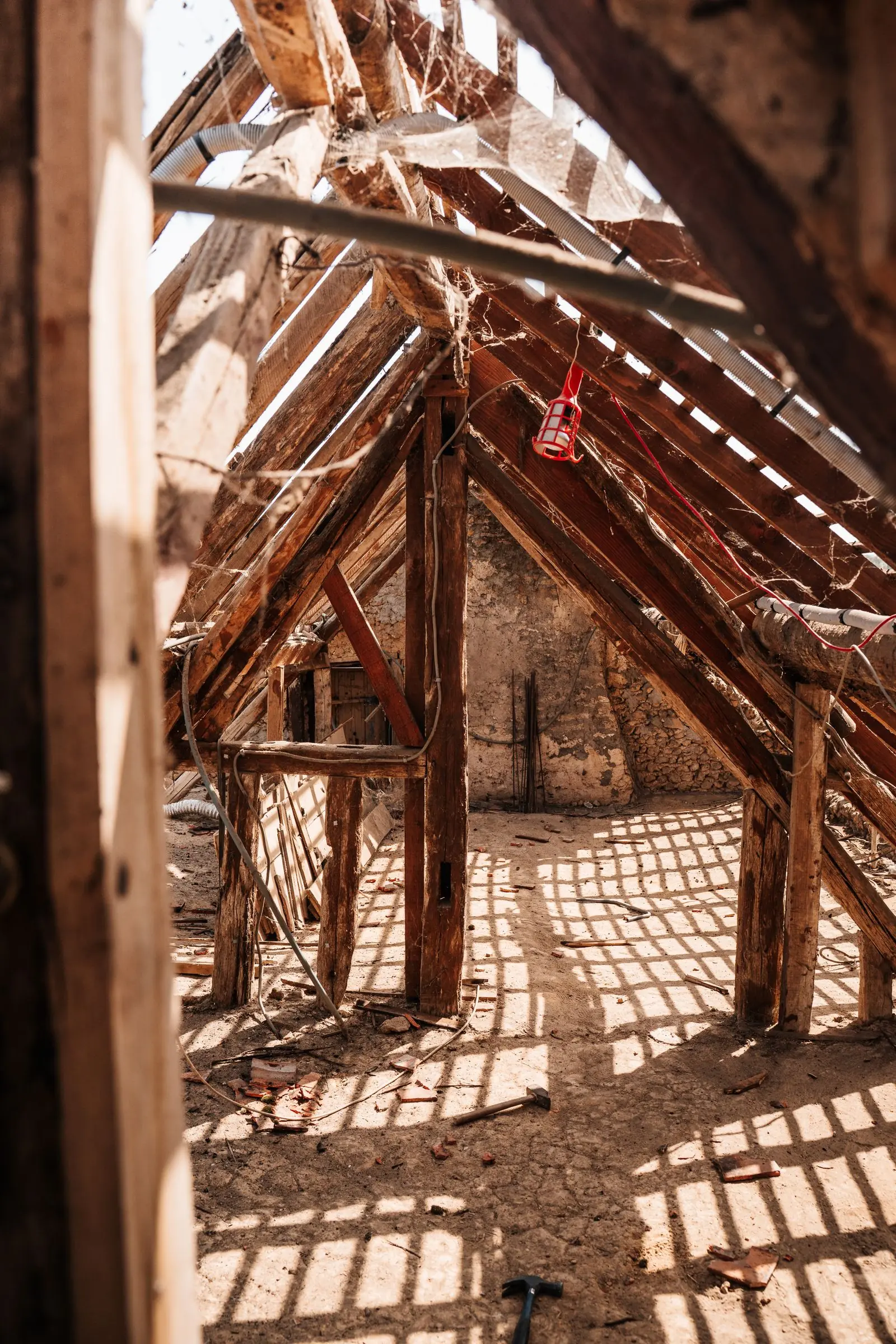
Measure moisture in attic rafters, joists, trusses and decking, then dry the structure in place to verified standards.
Request an InspectionCall (888) 853-1821
Attic Structural Drying in Tom Bean, TX
Wood does not dry on a schedule you can guess at. A rafter that feels dry on the surface can still hold significant moisture an inch deep, and sealing insulation or drywall against it traps that moisture inside the assembly. In Tom Bean attics, that trapped moisture is what turns a resolved leak into rot or mold months later.
That is why structural drying is built around measurement, not assumptionsincluding nearby Sherman, Denison and Whitewright. We take baseline moisture readings on every affected member, set up drying equipment sized to the space, and re-check on a schedule until readings confirm the wood meets dry standards. Homeowners in Grayson County get documented proof the structure is dry before anything is closed up. That documentation gives Tom Bean homeowners confidence that the structure is genuinely ready for rebuild.
Attic structural drying is the process of removing moisture from the wooden framework of the attic, rafters, ceiling joists, trusses, ridge boards, and roof decking, after a water event. It is distinct from water extraction, which removes standing water, and from general drying, which may only address surfaces. Structural drying targets moisture embedded inside the wood itself. In Tom Bean, this observation comes up again and again after leaks.
In a Tom Bean attic, the space is cleared first: standing water extracted, saturated insulation removed so air reaches the wood. Pin and probe moisture meters then establish baseline readings on every affected member, since wood species and thicknesses dry at different rates. Equipment moves dry air across the wettest surfaces, and readings repeat until the wood meets established dry standards. Only then is the attic ready for insulation and finishes. That verification-first approach is standard on every Tom Bean structural drying job.
Moisture meters are what make structural drying a science instead of a guess. Pin meters drive two small probes into the wood and measure electrical resistance, which correlates to moisture content at depth. Probe attachments reach into thicker members like truss chords and beams where surface readings would mislead. In Tom Bean attics, we also take readings on unaffected wood nearby to establish what dry looks like for that specific structure.
These readings drive every decision. Baseline measurements map which members are wet and how wet, so equipment goes where it is needed. Follow-up readings on a schedule show whether the drying front is moving or stalled, which tells us to adjust airflow or add dehumidification. Final readings document that dry standards are met before rebuild. Without meters, a Tom Bean homeowner is relying on touch and hope, and wood that feels dry on the surface can still be wet an inch deep.
Most sound framing can be dried in place. Rafters, ceiling joists, trusses, and roof decking that are still solid, with no softening or rot, respond well to directed airflow and dehumidification, even when readings start high. Drying in place saves Tom Bean homeowners significant cost compared to structural replacement, and it avoids the disruption of opening up the roof or ceilings.
The limits are physical. Wood that has softened, shows rot, or has lost structural integrity cannot be dried back to strength and must be replaced. Plywood or OSB decking that has delaminated or swollen at the edges is similarly beyond drying. Metal connectors and fasteners with advanced corrosion need evaluation too. During the assessment we test suspect members by hand and probe, sorting what can be saved from what must go, so the drying plan for your Tom Bean attic is honest about both.
It depends on how wet the wood is and how long it has been wet. A Tom Bean attic where framing was soaked for a day or two before discovery might dry in three to five days of active drying. Wood that has been absorbing water for weeks or months, common with slow leaks found late, can take one to two weeks or more, because moisture deep in thick members migrates out slowly.
Several factors set the pace. Thicker members like truss chords and beams dry slower than 2x rafters. Decking with roofing above it dries mostly from below, which limits airflow. Summer heat in a Tom Bean attic actually helps evaporation but must be paired with dehumidification, or the air saturates and drying stalls. We monitor with meters throughout and adjust the setup, because the timeline is set by the readings, not by the calendar.
Because attics are not designed to dry. Ventilation moves some air, but it does not direct airflow across wet rafters or pull moisture from deep in the wood, and in Tom Bean the humid outdoor air of summer can actually slow drying rather than help it. Wood left to air-dry in an enclosed attic often reaches a stalemate: the surface dries, the interior stays wet, and the moisture equalizes at a level that still supports mold growth and gradual decay.
Active structural drying breaks that stalemate with three things passive air cannot provide: directed airflow aimed at the wettest surfaces, dehumidification that keeps the air dry enough to keep accepting moisture, and measurement that confirms when the job is done. For Tom Bean homeowners, the difference shows up months later: a meter-verified dry attic stays sound, while a hopefully air-dried one can hide softening wood behind fresh insulation.
Controlled structural drying for Tom Bean attics using air movers, dehumidifiers, and daily moisture-meter monitoring to verified dry goals.
Fast standing-water removal for Tom Bean attics using pumps and wet vacuums, plus guidance on what drying and cleanup follow next.
Full attic restoration for Tom Bean homes: rebuilding damaged framing, decking, and drywall, then installing new insulation to reach pre-loss condition.
Safe evaluation and removal of saturated attic insulation in Tom Bean homes: containment, disposal, and preparation for new insulation.
Complete attic water damage cleanup for Tom Bean homes: debris and damaged-material removal, surface sanitizing, and preparation for the drying phase.
AC condensate leaks are a common attic water source. Causes, warning signs, and fixes.
Wet attic insulation: when it can be dried and when it must be removed.
What drives attic water damage repair costs in Texas, and how to plan.
No. Drying removes moisture, but it cannot restore wood fiber that has rotted or delaminated. During assessment of your Tom Bean attic, we identify members that are beyond drying and flag them for replacement. The honest split, dry what is sound, replace what is compromised, is what protects both the structure and your budget.
It depends on what the leak wetted. A small leak caught within hours that only dampened surfaces may dry on its own, but any leak that soaked into framing or sat undiscovered in a Tom Bean attic warrants meter readings at minimum. We can assess and tell you whether active drying is needed or the wood is already within dry standards.
If the water event itself is a covered claim, the drying needed to restore the structure is typically part of that claim. For Tom Bean homeowners we document baseline moisture readings, the drying process, and final verification readings, which gives your adjuster a clear, measurable record of the work performed.
We measure it. Pin and probe moisture meters give readings at depth, not just on the surface, and we compare affected members against dry reference points in your Tom Bean attic. Drying continues until readings meet established dry standards for the wood type, and the final readings are documented so there is proof, not just an opinion.
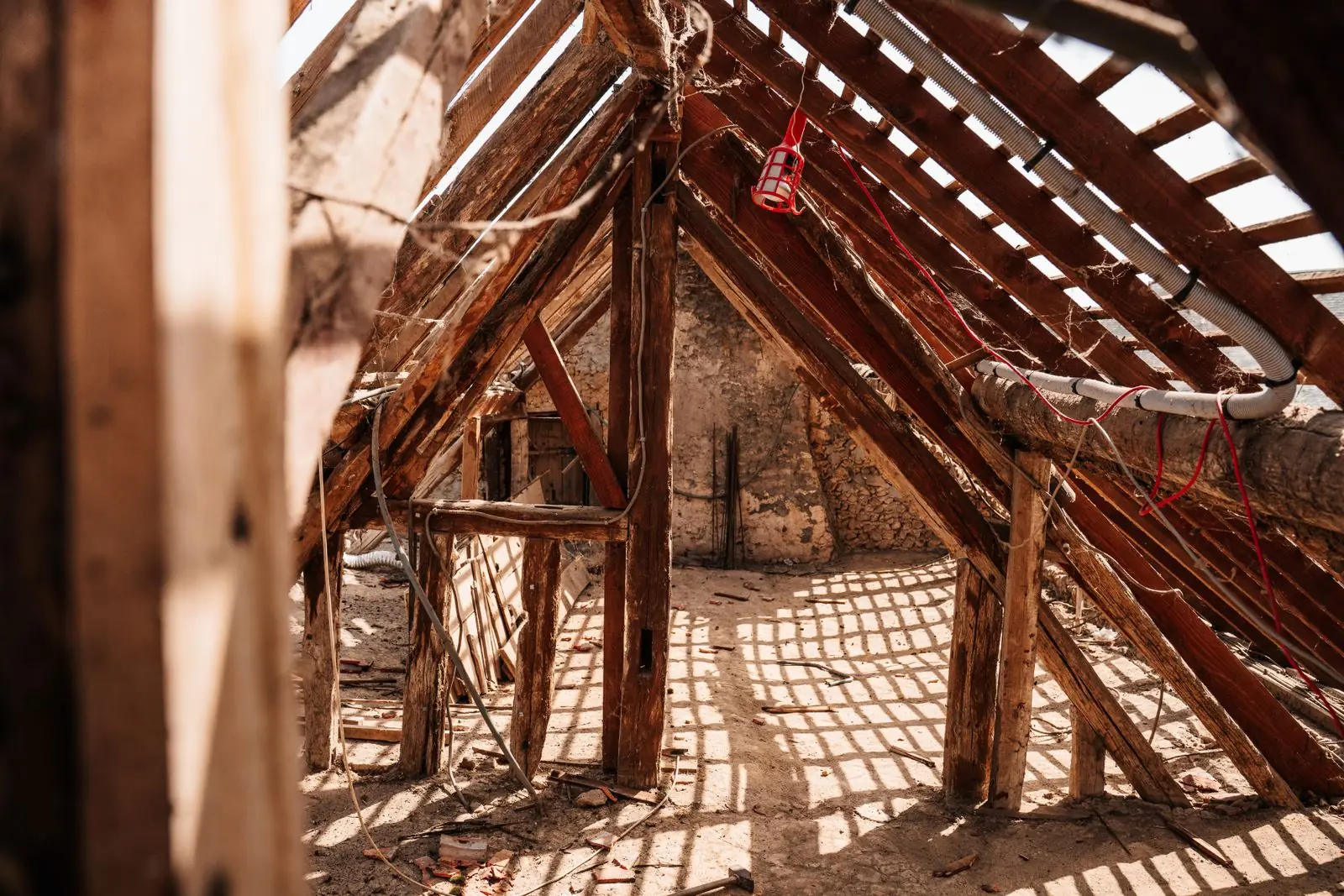
Need attic structural drying in Tom Bean, TX? Call (888) 853-1821 to schedule an attic inspection.