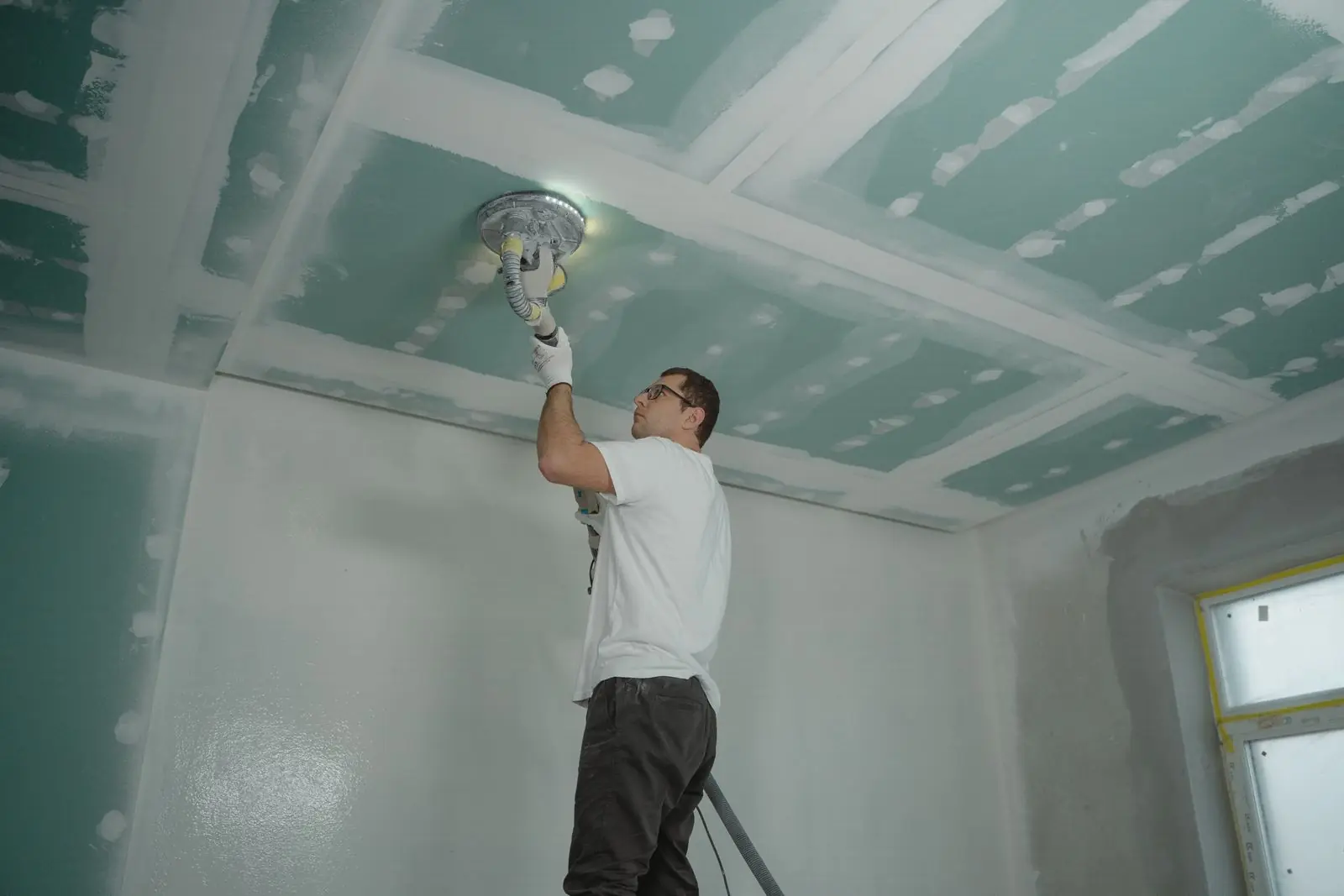
Loft Water Damage Restoration
Full restoration of water-damaged lofts in Pflugerville: drywall, insulation, flooring, trim, and paint rebuilt to pre-loss condition with careful finish matching.
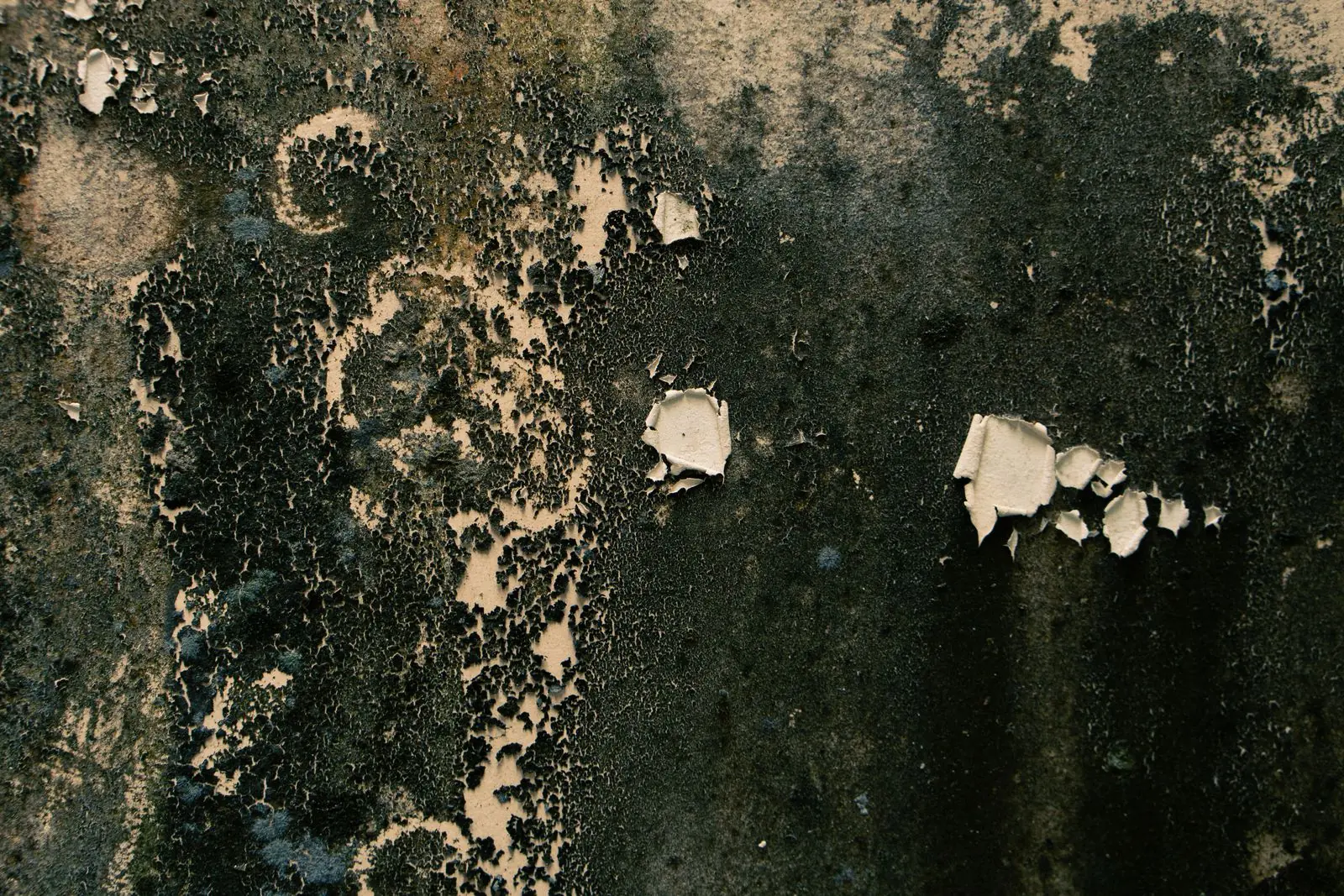
Mold assessment and remediation for finished lofts in Pflugerville: containment, removal from behind drywall and under flooring, and prevention.
Request an InspectionCall (888) 853-1821
Loft Mold Remediation in Pflugerville, TX
Prevention is the quiet but critical half of every remediation project. Removing mold from a Pflugerville loft means nothing if the roof leak, plumbing drip, or condensation issue that fed it is still active. Lasting remediation always pairs removal with source correction: the water problem gets fixed, the assemblies get dried, and only then does the space get rebuilt.
The prevention mindset extends to the rebuild itself. New materials go into verified-dry cavities, moisture-resistant details are used where they make sense, and homeowners get guidance on ventilation and humidity control for the loft going forward. MH Attics builds prevention into loft mold remediation in Pflugerville, so the finished space stays clean for years, not just weeks after the containment comes down.
Mold needs moisture, still air, and something organic to feed on, and a finished loft offers all three in places you never look. The back side of drywall is the classic hiding spot: paper facing stays damp inside a wall cavity while the painted face looks perfect. Under flooring, especially beneath carpet pad or floating floors, trapped moisture feeds growth on the subfloor. That is why Pflugerville assessments cover the full attic, not just the visible damage.
Other common locations include the framing inside knee walls, the cavities of sloped ceilings where roof leaks travel, and the insulation itself, which holds moisture against every surface it touches. In Pflugerville, slow roof leaks are the most common feeder of loft mold, and the growth often follows the leak's path through the assembly.
MH Attics maps these hidden zones during loft mold remediation in Pflugerville before any material is removed, so the Pflugerville scope is built on evidence rather than assumptions about where the growth stops.
Assessment is detective work with instruments. It starts with a visual inspection of the finished surfaces for staining, warping, and odor, then moves to moisture meters that reveal damp areas inside walls and under floors. The pattern of moisture usually points to the source: a roof leak leaves a different signature than a plumbing drip or condensation. That is why Pflugerville assessments cover the full attic, not just the visible damage.
Where growth is suspected behind finishes, small inspection openings confirm what is actually there, so the scope is based on evidence rather than assumptions. Air or surface sampling is used when the situation calls for it, such as when the extent is unclear or documentation is needed. A Pflugerville homeowner dealing with this benefits from a prompt professional assessment.
For loft mold remediation in Pflugerville, MH Attics sizes the Pflugerville project from this assessment, opening only what the evidence says is affected and leaving clean assemblies untouched.
Containment is what keeps a loft remediation from becoming a whole-house problem. The work area gets sealed off from the rest of your home with plastic sheeting and sealed seams, and a HEPA-filtered air scrubber creates negative pressure so air flows into the work zone rather than out of it. Dust and spores generated during removal stay inside the barrier. That is why Pflugerville assessments cover the full attic, not just the visible damage.
Inside the containment, the crew wears protective equipment and removes affected materials directly into sealed bags, which leave the home without passing through clean rooms. When the work is done, the area is HEPA-vacuumed and wiped down before the barriers come down. A Pflugerville homeowner dealing with this benefits from a prompt professional assessment.
Homeowners in Pflugerville can stay in the home during loft mold remediation in Pflugerville precisely because containment keeps the rest of the Pflugerville house isolated from the work, with daily life continuing on the other side of the barrier.
Porous materials with established growth are removed, not cleaned. Drywall with mold on its back side comes out, usually cut a clean margin beyond the visible growth, along with the affected insulation behind it. Flooring over a moldy subfloor gets lifted so the subfloor can be addressed. These materials cannot be reliably salvaged once growth has taken hold in their fibers. That is why Pflugerville assessments cover the full attic, not just the visible damage.
What stays gets cleaned aggressively: framing is HEPA-vacuumed and damp-wiped, and remaining surfaces are treated with antimicrobial products. After removal and cleaning, the cavity must be verified dry before anything is rebuilt. That verification is the difference between remediation and a cover-up. A Pflugerville homeowner dealing with this benefits from a prompt professional assessment.
In loft mold remediation in Pflugerville, MH Attics rebuilds only on documented-dry assemblies in Pflugerville homes, so new drywall and flooring never go over moisture that would restart the cycle.
Mold returns when moisture returns, so prevention starts with the source. The roof leak gets repaired, the plumbing drip gets fixed, or the condensation issue gets addressed with ventilation or insulation improvements. Without that step, every other effort is temporary. The second step is verified drying: every cavity and assembly reaches dry standards before new materials close it up. That is why Pflugerville assessments cover the full attic, not just the visible damage.
Ongoing habits protect the investment. Keeping loft humidity in a normal range, making sure bathroom exhaust vents to the outside rather than into the attic space, and checking the loft after major storms all catch problems early, before hidden moisture has time to feed new growth. A Pflugerville homeowner dealing with this benefits from a prompt professional assessment.
After loft mold remediation in Pflugerville, MH Attics leaves Pflugerville homeowners with a dry, rebuilt space and clear guidance on keeping it that way for the long term.
Full restoration of water-damaged lofts in Pflugerville: drywall, insulation, flooring, trim, and paint rebuilt to pre-loss condition with careful finish matching.
Water cleanup for finished Pflugerville lofts: extraction, contents protection, sanitizing, and drying prep for converted attic living spaces.
Inspect, contain and remediate attic mold growth after water damage, then fix moisture sources to prevent its return.
Controlled structural drying for Pflugerville attics using air movers, dehumidifiers, and daily moisture-meter monitoring to verified dry goals.
Safe evaluation and removal of saturated attic insulation in Pflugerville homes: containment, disposal, and preparation for new insulation.
How moisture, time, and material conditions affect mold growth after an attic leak.
Can wet insulation lead to mold? What Texas homeowners should know.
AC condensate leaks are a common attic water source. Causes, warning signs, and fixes.
An uncorrected moisture source is the usual cause: a roof leak that was never repaired, a plumbing drip, or chronic condensation. Rebuilding over assemblies that were never verified dry is another. Lasting loft mold remediation in Pflugerville pairs removal with source repair and documented drying, which is why the assessment phase matters so much.
Small, contained areas may take a few days including drying verification, while extensive growth across multiple cavities takes longer. The timeline depends on the affected area and the drying required before rebuilding. For loft mold remediation in Pflugerville, you will get a clear scope and sequence after assessment rather than a guess up front.
Usually not. Containment barriers and negative air pressure isolate the work area, so the rest of the home remains usable. The main inconveniences are noise and limited access to the loft itself. MH Attics will tell you honestly during your loft mold remediation in Pflugerville if the extent of work makes temporary relocation the better option.
Yes, and it often does. Painted drywall can look perfect while the back side inside a damp wall cavity supports growth, and flooring can hide a moldy subfloor. Hidden moisture from past leaks is the usual story. That is why loft mold remediation in Pflugerville relies on moisture meters and inspection openings, not just a visual check of finished surfaces.
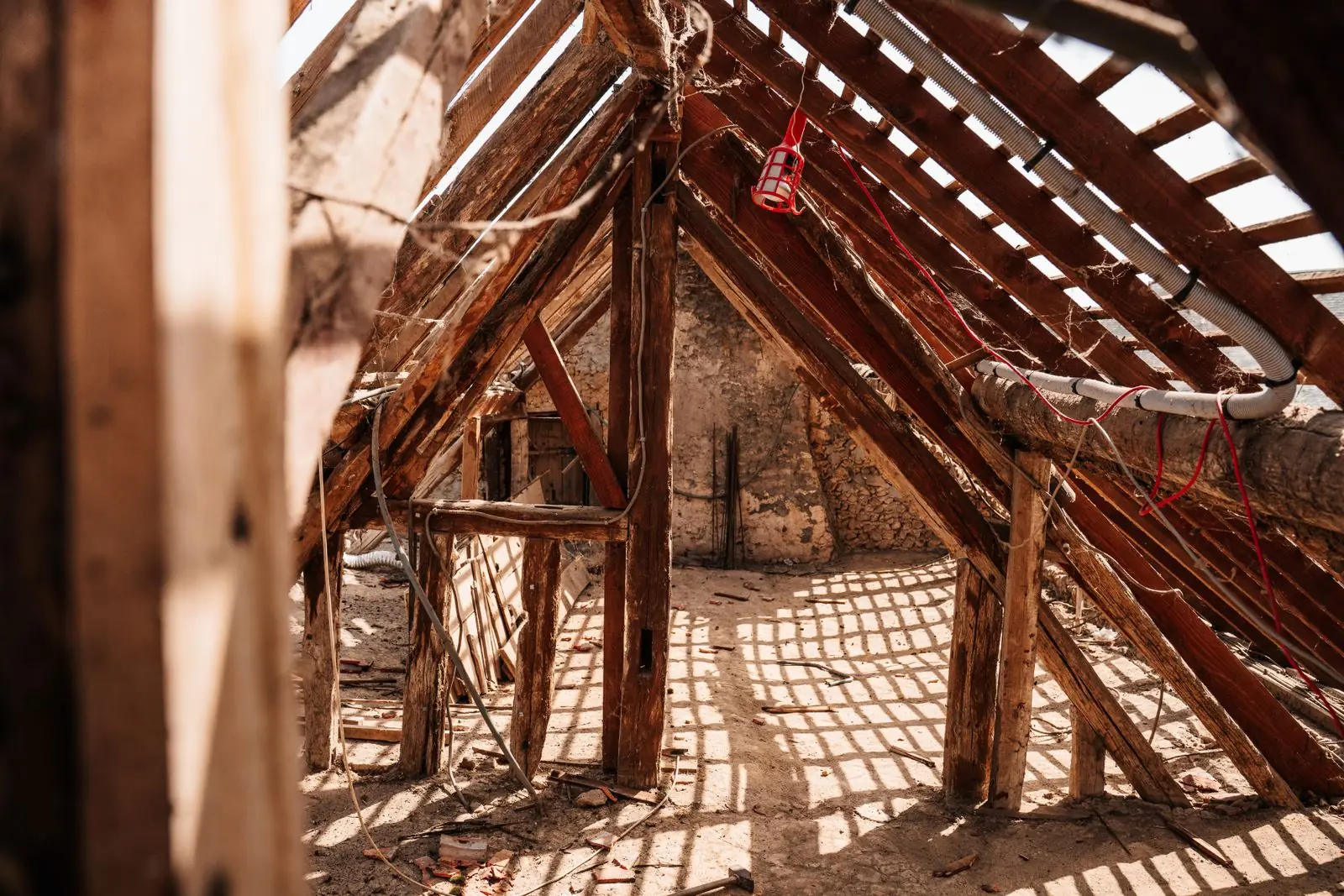
Need loft mold remediation in Pflugerville, TX? Call (888) 853-1821 to schedule an attic inspection.