Attic Water Damage Cleanup
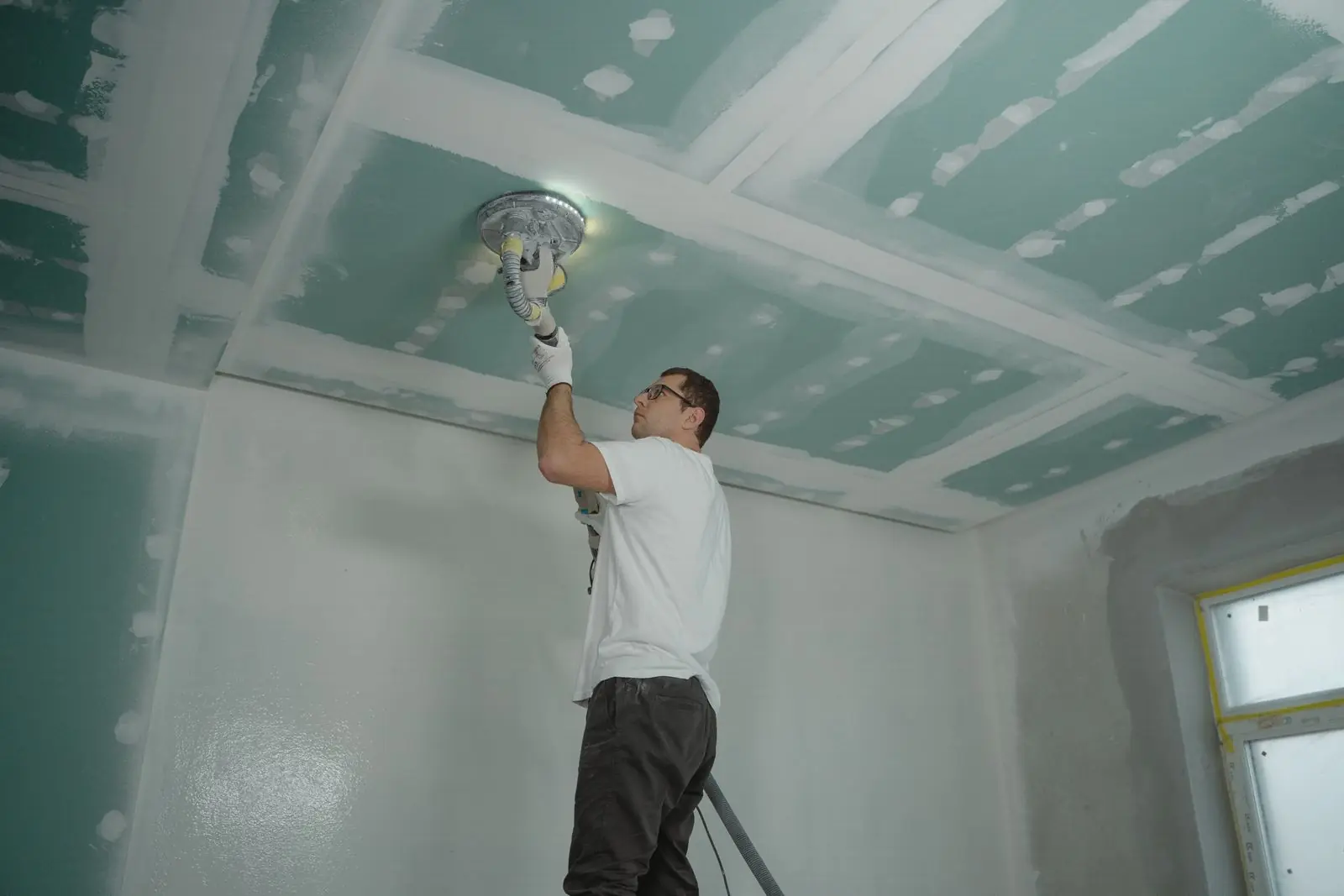
Complete attic water damage cleanup for Splendora homes: debris and damaged-material removal, surface sanitizing, and preparation for the drying phase.
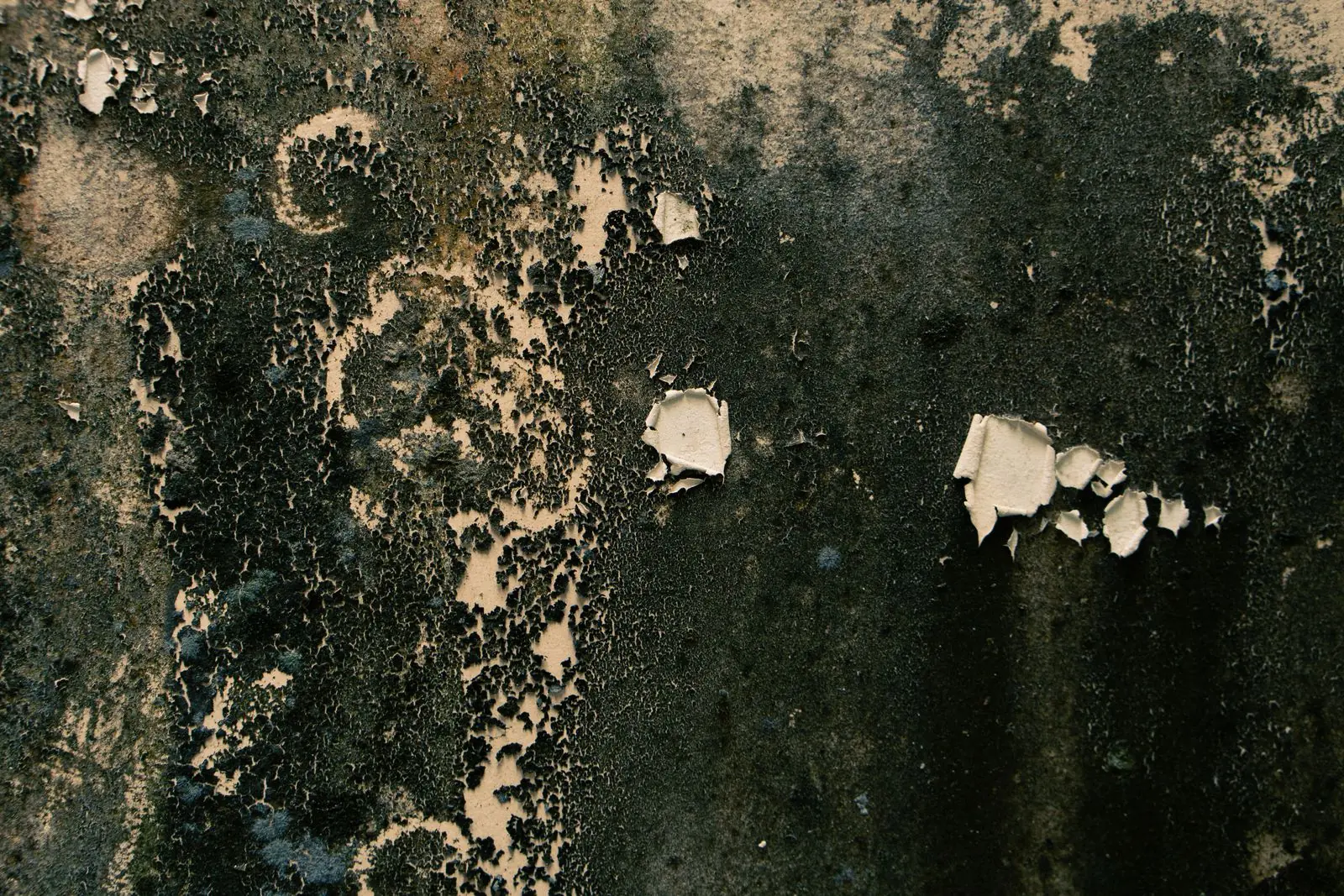
Inspect, contain and remediate attic mold growth after water damage, then fix moisture sources to prevent its return.
Request an InspectionCall (888) 853-1821
Attic Mold After Water Damage in Splendora, TX
Not every dark spot in an attic is mold, and not every mold problem needs the same response. Wood in Splendora attics can show staining from old, long-dried leaks that is purely cosmetic, while active growth on still-damp framing after a recent leak needs full remediation. Telling the difference requires looking at moisture, not just color.
That distinction is why professional assessment mattersincluding nearby Conroe, New Caney and Cleveland. We check whether the affected wood is still holding moisture with meters, identify whether the water source is resolved or ongoing, and determine whether surfaces can be cleaned in place or need removal. An accurate diagnosis saves Splendora homeowners from paying for remediation they do not need, or skipping remediation they do. Homeowners in Montgomery County get a clear finding: what it is, how far it spread, and exactly what the remediation will involve.
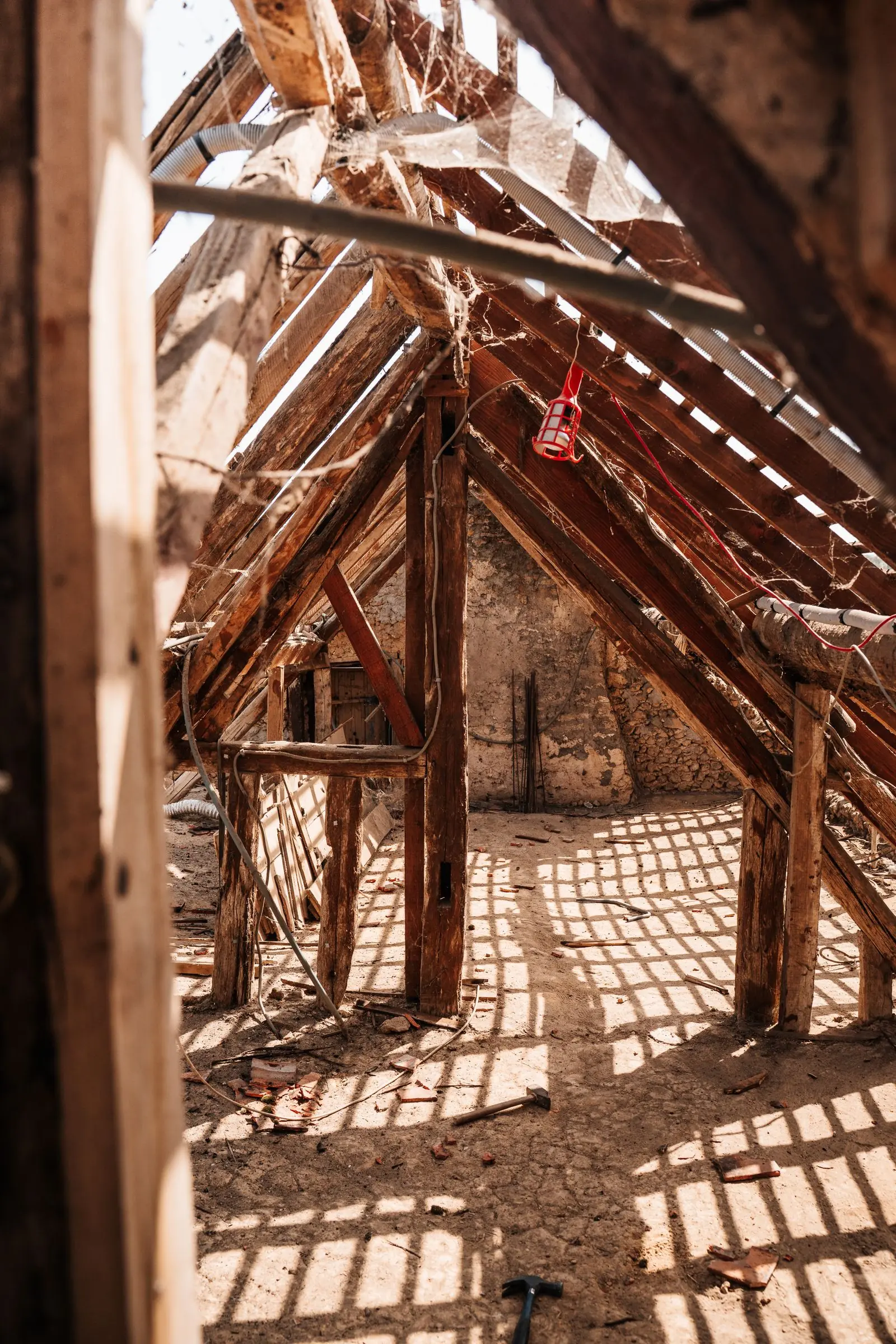
Attic mold grows on any organic surface that stays damp, and a water-damaged Splendora attic offers plenty. The underside of roof decking is the most common site, because it catches water from roof leaks directly and stays damp longest. Rafters, trusses, and ceiling joists follow, especially where water has traveled along their length. The paper facing on fiberglass batts and the surface of cellulose insulation can also support growth once soaked.
Growth concentrates where moisture lingers: around leak entry points, in low spots where water pools on the attic floor, and in poorly ventilated corners where damp air stagnates. We map all of these zones during inspection, because mold behind insulation or on the far side of decking is invisible from the attic hatch. A surface-only check misses the growth that matters most, which is why the inspection has to be thorough before remediation is scoped. We document every affected surface in the Splendora attic before quoting any remediation work.
A proper attic mold assessment in Splendora has three parts: visual, moisture, and source. The visual inspection documents every surface showing discoloration or growth, including areas hidden behind insulation that require moving material to see. Moisture meters then determine whether the affected wood is still wet, which separates active growth from old staining that dried out long ago.
The source investigation is what makes the assessment useful. If the roof leak, plumbing failure, or condensate problem that caused the water damage is still active, remediation without fixing it is pointless, and we say so plainly. The assessment ends with a written scope: which surfaces are affected, whether they can be cleaned or must be removed, what the moisture readings are, and what has to happen to the water source before remediation begins. That written scope lets Splendora homeowners compare options and plan with confidence.
Remediation follows a contained, sequenced process. First the work area is contained with barriers and negative air pressure so spores disturbed during cleaning cannot migrate into the living space below. Then the water source is confirmed fixed, because cleaning mold while water is still entering is wasted effort. Wet insulation and any wood or drywall too damaged to clean are removed and bagged out. That is one of the first things checked during a Splendora inspection.
Remaining affected wood in the Splendora attic is then cleaned: HEPA vacuuming to capture loose spores, followed by scrubbing or media blasting of stained framing and decking, depending on severity. After cleaning, surfaces are treated with an antimicrobial to discourage regrowth, and the attic is dried to verified moisture standards. Each step is documented for the Splendora homeowner before the next begins. A final inspection confirms the growth is gone and readings are dry before containment comes down and insulation is replaced.
It can if the conditions that caused it return. Mold needs moisture, so any new leak, any unresolved condensation problem, or any ventilation issue that traps humid air in the Splendora attic can start the cycle over. Remediation removes the existing growth, but prevention is what keeps it from coming back.
Prevention has three pillars. First, the water source stays fixed: roof repairs hold, plumbing stays sound, condensate drains stay clear. Second, the attic stays dry: proper ventilation moves humid air out, and bath or kitchen exhaust fans must vent outside, not into the attic. Third, the structure is verified dry with moisture meters before insulation goes back in, because insulation installed over damp wood traps the exact conditions mold needs. We address all three before calling a Splendora job complete.
Mold in the home is something to take seriously and address promptly, and an attic connected to living spaces through hatches, light fixtures, and ductwork deserves professional attention. We are restoration specialists, not medical professionals, so we do not make health claims or diagnoses about any Splendora household.
What we can say is practical: mold growth indicates an ongoing or unresolved moisture problem, and that moisture is damaging the structure regardless. Damp framing, decking, and insulation deteriorate over time, and the conditions that support mold can contribute to poor indoor air quality. Our role is to find the moisture source, remove the growth, dry the structure, and prevent recurrence. Our responsibility on a Splendora job is the building: dry structure, clean surfaces, no recurring moisture. If anyone in the home has health concerns, we recommend speaking with a qualified medical professional.
Complete attic water damage cleanup for Splendora homes: debris and damaged-material removal, surface sanitizing, and preparation for the drying phase.
Controlled structural drying for Splendora attics using air movers, dehumidifiers, and daily moisture-meter monitoring to verified dry goals.
Safe evaluation and removal of saturated attic insulation in Splendora homes: containment, disposal, and preparation for new insulation.
Full attic restoration for Splendora homes: rebuilding damaged framing, decking, and drywall, then installing new insulation to reach pre-loss condition.
Measure moisture in attic rafters, joists, trusses and decking, then dry the structure in place to verified standards.
How moisture, time, and material conditions affect mold growth after an attic leak.
Can wet insulation lead to mold? What Texas homeowners should know.
AC condensate leaks are a common attic water source. Causes, warning signs, and fixes.
Small, isolated patches on dry wood from an old, resolved leak may need only cleaning and monitoring. But growth spread across decking or framing, growth on still-damp wood, or growth after a recent water event in your Splendora home warrants professional remediation with containment, because disturbing it without controls can spread spores into the living space.
Often yes, at least in the affected areas. Wet insulation in a Splendora attic loses its thermal performance and can harbor growth on its surfaces, and it has to come out for the framing behind it to be cleaned and dried. We remove, remediate, and then replace insulation once the structure is verified dry.
A contained remediation in a Splendora attic typically takes several days: inspection and containment, removal of unsalvageable materials, cleaning and treatment of affected wood, drying to verified standards, and rebuild. Larger growth areas or jobs requiring structural repairs take longer. We scope the timeline after the inspection.
We do not recommend it. Bleach does not reliably remediate growth on porous wood, and scrubbing mold without containment can spread spores through the house. In a Splendora attic, DIY attempts also miss the moisture source and the hidden growth behind insulation, which is why the problem usually returns.
Need attic mold after water damage in Splendora, TX? Call (888) 853-1821 to schedule an attic inspection.